









Quick summary
The article compares 900 years of financial records with Bitcoin to assess longevity
Historical systems like tally sticks, goldsmith paper and bills of exchange proved intangible records can endure
Bitcoin removes dependence on issuers through self custody and public verification but introduces new technical risks
Bitcoin could exist for centuries if users keep securing, verifying and valuing the network over time
Much of modern wealth is not held in physical objects. Bank balances, company shares, software and patents carry value through records, code and legal rights. Those records may be stored on paper or computers, but their value does not come from the paper, screen or server holding them.
If value can exist as a record, what allows that record to survive for centuries while others disappear?
In this article, we travel through more than 900 years of financial technology. We begin with English tally sticks in the early 1100s, examine the paper promises that helped shape modern banking, and end with Bitcoin, a network that has operated for seventeen years. By comparing what made each system credible, we can ask a larger question: could Bitcoin still exist 700 years from now?
Intangible Does Not Mean Imaginary
Intangible does not mean imaginary, useless or impossible to own. A bank balance, for example, is a recorded claim against a bank that provides real spending power despite appearing only as a number on a screen.
Bitcoin also exists as a record, but it is not a claim that a bank, company or government promises to repay. Its ledger is intangible, while its security connects to the physical world through mining machines and electricity, which make the record costly to rewrite rather than backing it with something holders can redeem.
Why Is Bitcoin an Intangible Asset?
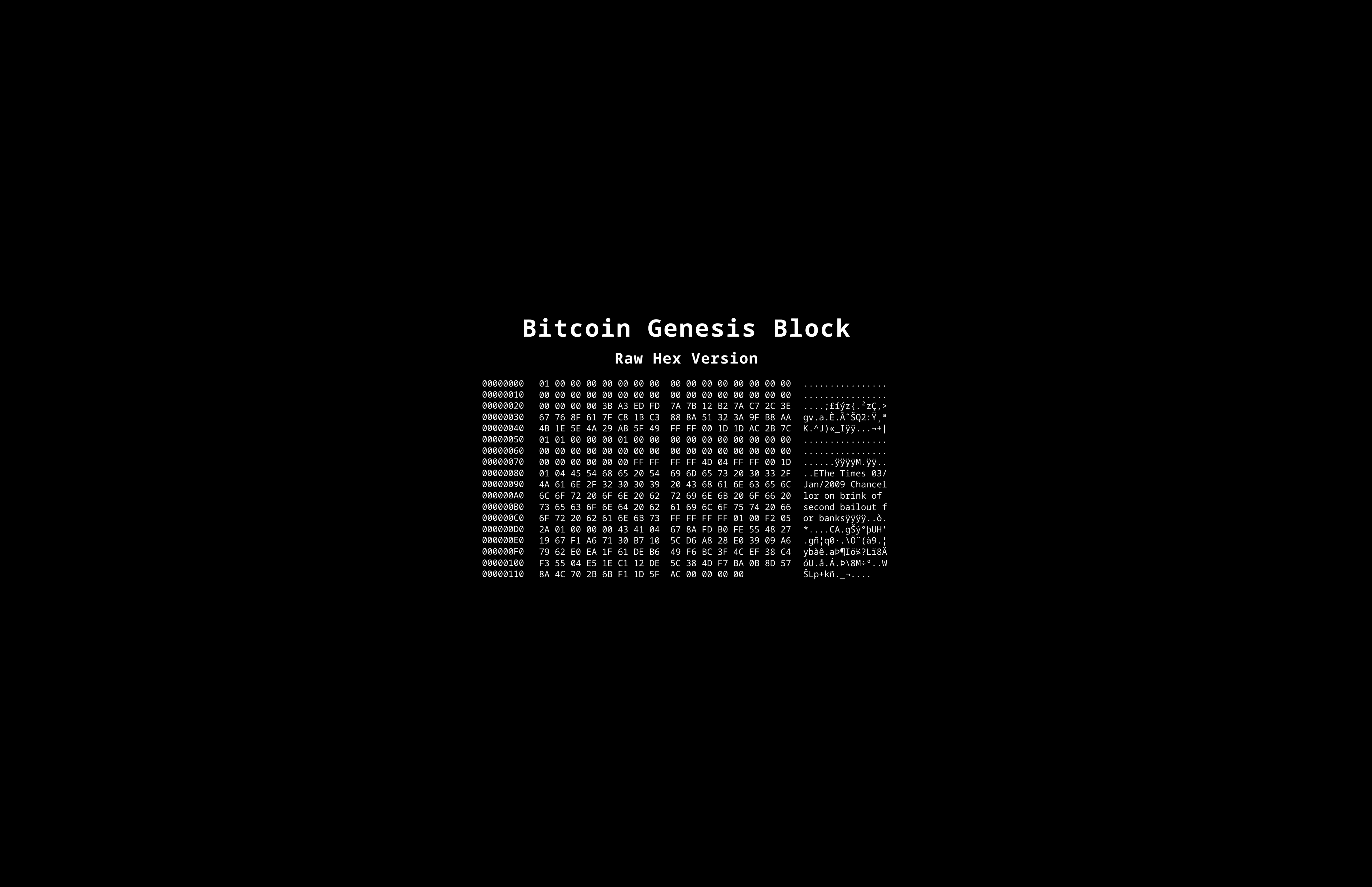
Bitcoin is a digitally native asset recorded on a shared ledger: It is not a physical coin, a company share, or a promise that a bank will repay its holder.
Asset manager BlackRock has described Bitcoin as
An emerging global monetary alternative: BlackRock describes Bitcoin as a potential alternative to traditional monetary assets.
Scarcity governed by code: Bitcoin’s capped supply is determined by mathematics and code rather than the decisions of a central bank.
Institutional recognition: BlackRock’s description does not prove Bitcoin’s value, but it shows that serious discussion about its monetary role has moved from internet forums into major financial institutions.
Some Intangible Records Have Already Lasted Centuries
Bitcoin's network has run continuously since January 2009, giving it more than seventeen years of history by 2026. BlackRock's own research sometimes cites sixteen years instead, because it measures from Bitcoin's trading history starting in 2010 rather than the network's launch date. Either way, seventeen years is a short record next to what follows.
One question threads through every example below: what made this record credible enough for the next person to accept it?
Tally sticks: more than 700 years
How could a piece of wood remain useful for more than seven centuries? Because it solved an important problem remarkably well. Officials cut notches representing an amount into a wooden stick and then split it lengthwise. One half stayed with the Exchequer, England’s royal treasury, while the other went to the person involved in the payment or obligation. When the record needed to be checked, the two halves were reunited. Their notches, shape and natural wood grain had to match, making an altered or counterfeit half difficult to pass as genuine.
Tallying with notched sticks is much older than medieval England, and no individual inventor is known. The English Exchequer adapted this ancient method into an organized financial system by at least the early 1100s, as documented in historian Tony Moore's research on the Exchequer's tally system.
What they recorded: Exchequer tallies provided evidence of payments made to the Crown and, in some forms, obligations the Crown would settle later.
How long they lasted: Historian Tony Moore documents their use from at least the early twelfth century until their abolition in 1826, a period of more than 700 years.
Why they endured: Wood was inexpensive, the method was understandable and the matching halves made alteration difficult to conceal. The system also became embedded in England’s administration, where officials knew how to create, store and settle the records.
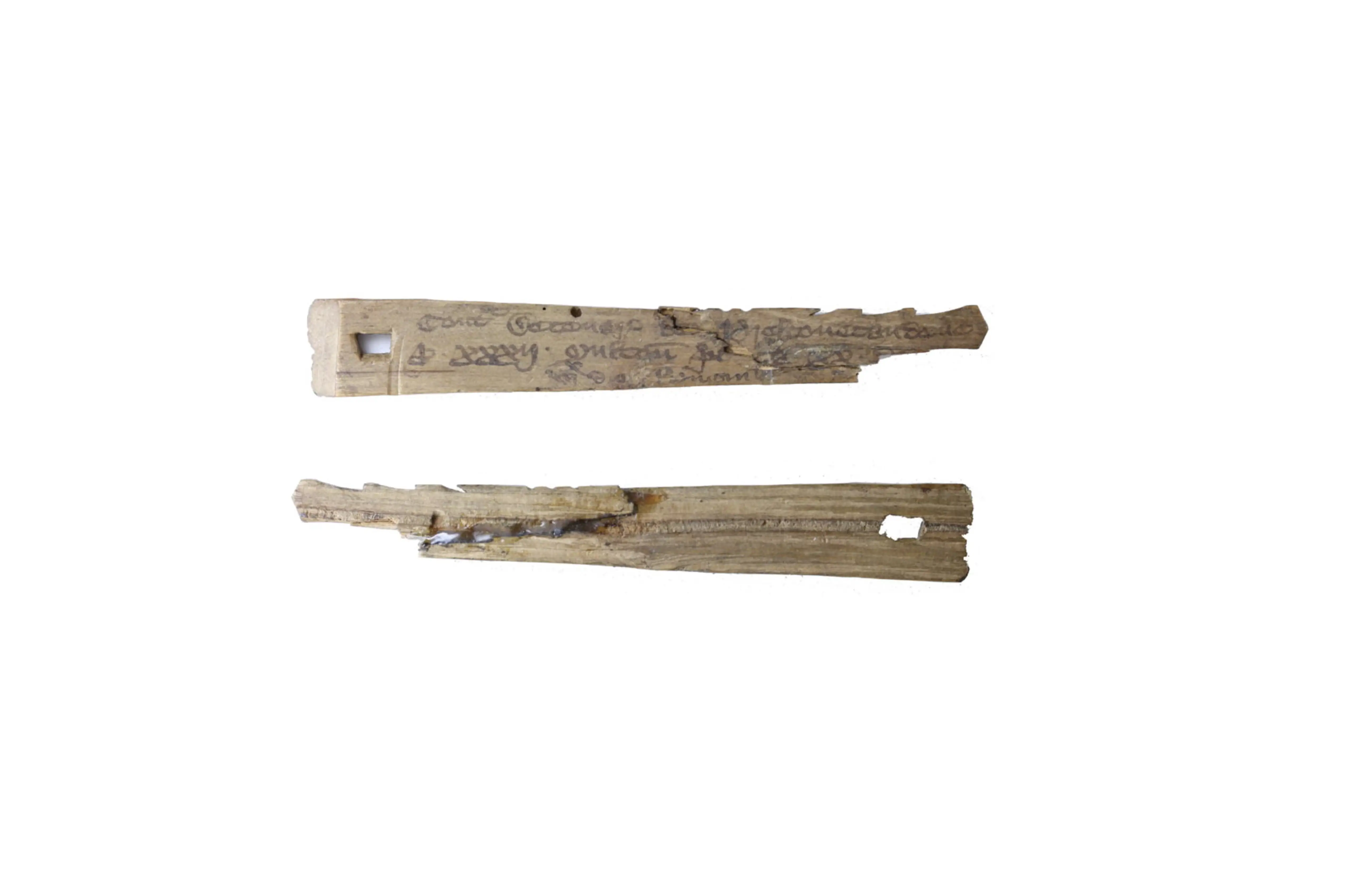
What Bitcoin shares with them: Both have a way to check whether a record is genuine. A tally was checked by fitting its two wooden halves together. Bitcoin is checked by computers following the same set of rules.
What changes with Bitcoin: A tally was a claim that depended on the Crown honoring its obligation. Bitcoin is a bearer asset rather than a repayment promise, meaning whoever controls the private keys can transfer it without asking a government, bank or issuer for permission.
Goldsmith Paper: Several Decades, With a Much Longer Legacy
By the 1640s, some London goldsmiths were expanding beyond the precious metals trade. Goldsmiths already had secure rooms for storing gold, silver and coin, which made them natural custodians for merchants seeking somewhere to keep their money. In 1638, Charles I took control of roughly £200,000 in merchant coin and bullion deposited at the Royal Mint. The episode is often said to have pushed merchants toward goldsmith vaults, although historians dispute whether it directly caused the growth of goldsmith banking.
Goldsmiths gave depositors paper receipts showing what they had placed in storage. Some prominent goldsmiths gradually began operating as bankers by accepting deposits, making loans and issuing notes promising to pay coin on demand.
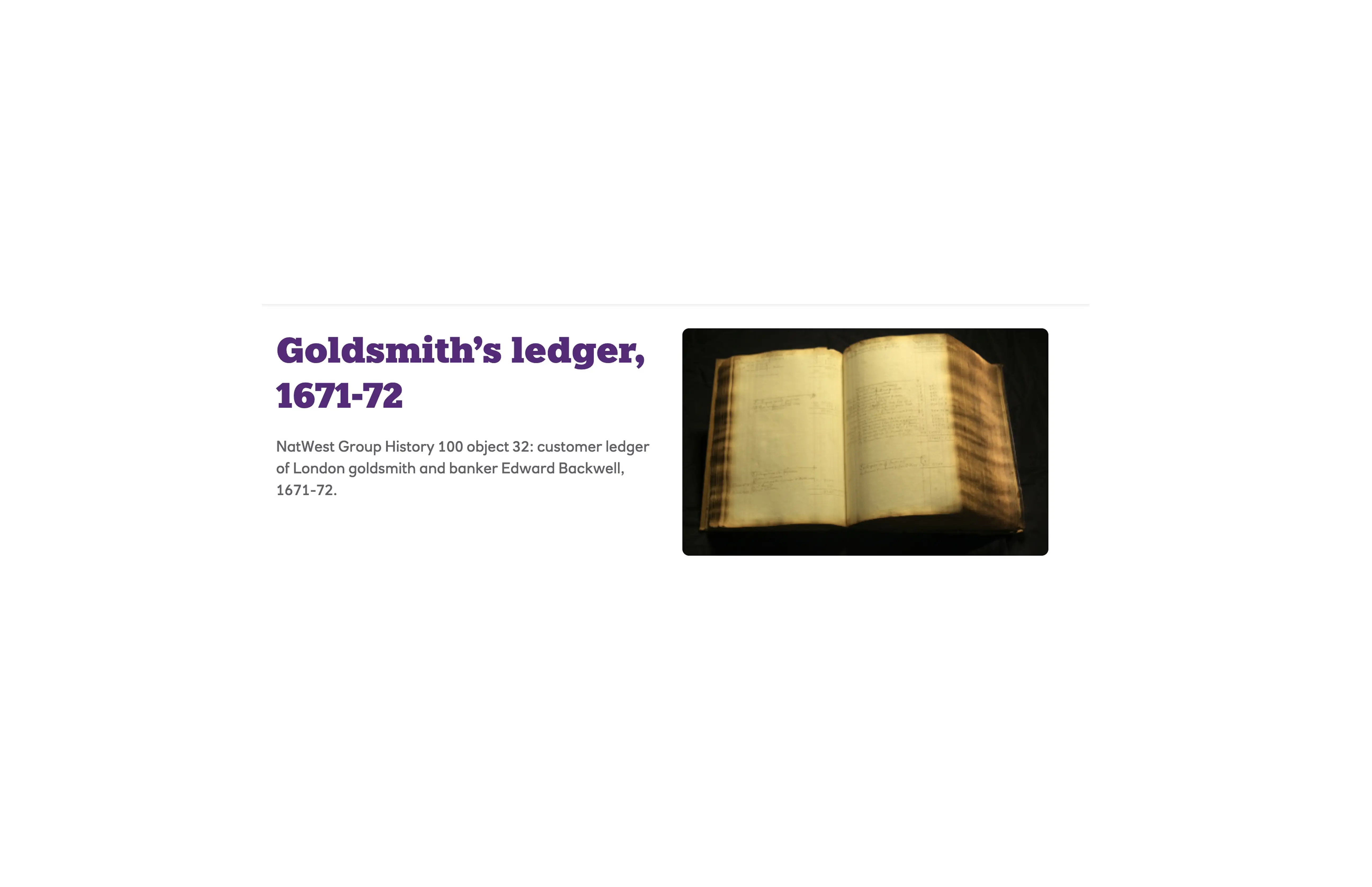
The coins could remain in the goldsmith's vault while the claim to that value changed hands on paper. Goldsmith banking faded as a distinct system around the turn of the eighteenth century, as specialist private banks and the Bank of England took over its functions, while deposits, lending and paper notes continued within the banking system that replaced it.
What it was: A receipt showed how much money someone had deposited, while a goldsmith note promised that the banker would pay coin to whoever presented it. Some of this paper began being used like private money.
How long it lasted: Goldsmith banking flourished in London for several decades during the seventeenth century. The original system eventually gave way to more organized banks, but its central ideas, including bank deposits, lending and paper money, became part of modern banking.
Why it caught on: Paper was safer and easier to carry than a large quantity of coins. People accepted it when they trusted that the goldsmith had enough money and would keep his promise to pay.
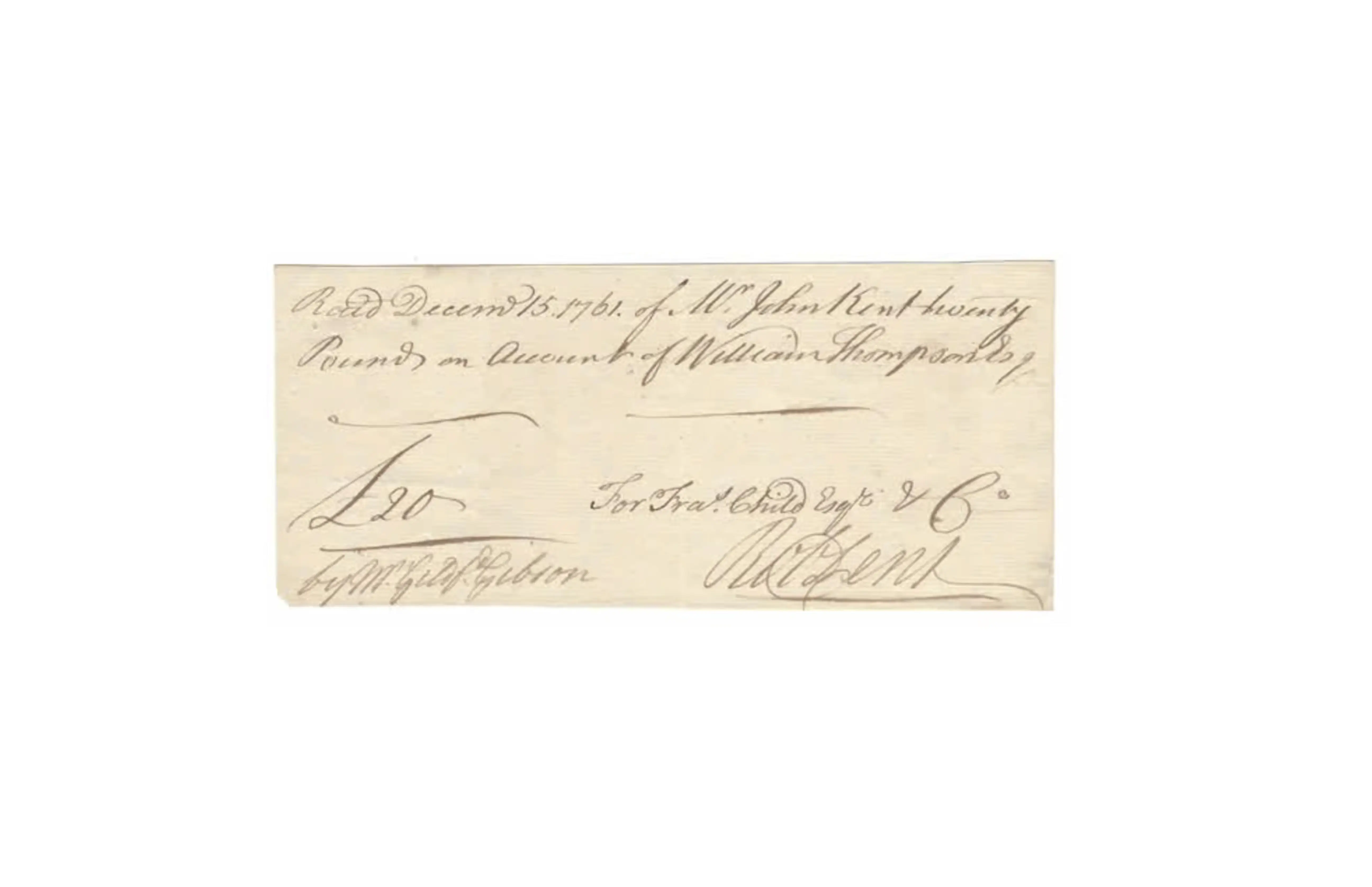
What changes with Bitcoin: A goldsmith receipt remained a claim against the banker holding the coins. Self-custodied Bitcoin is held directly through private keys and does not depend on an issuer keeping reserves or honoring a promise to pay.
What Bitcoin makes verifiable: Goldsmith customers could not independently check whether a banker had issued more paper than the coin available. Bitcoin’s supply rules are public, and anyone running a full node can verify that no bitcoin has been created outside its programmed issuance schedule.
Bills of Exchange: A History Spanning More Than 800 Years
By at least 1220, European merchants were using bills of exchange to move payments between cities without carrying the same coins across long and dangerous trade routes. Economic historian Meir Kohn traces the earliest surviving example to 1220, while suggesting that the practice probably began during the late 1100s.
Here is a simple example of how one worked. Alice is in London and needs to pay Carla in Edinburgh the value of 100 silver coins. Alice does not want to send the coins on a dangerous journey, so she gives them to Bob, a London merchant with a trusted business partner named Tom in Edinburgh. Bob writes a letter instructing Tom to pay Carla the same value using coins already available in Edinburgh.
The letter travels instead of Alice’s coins. Carla presents it to Tom and receives her payment. Bob and Tom settle what they owe each other later through their wider business accounts. Alice paid money into a trusted merchant network in London, and Carla received money from that network in Edinburgh.
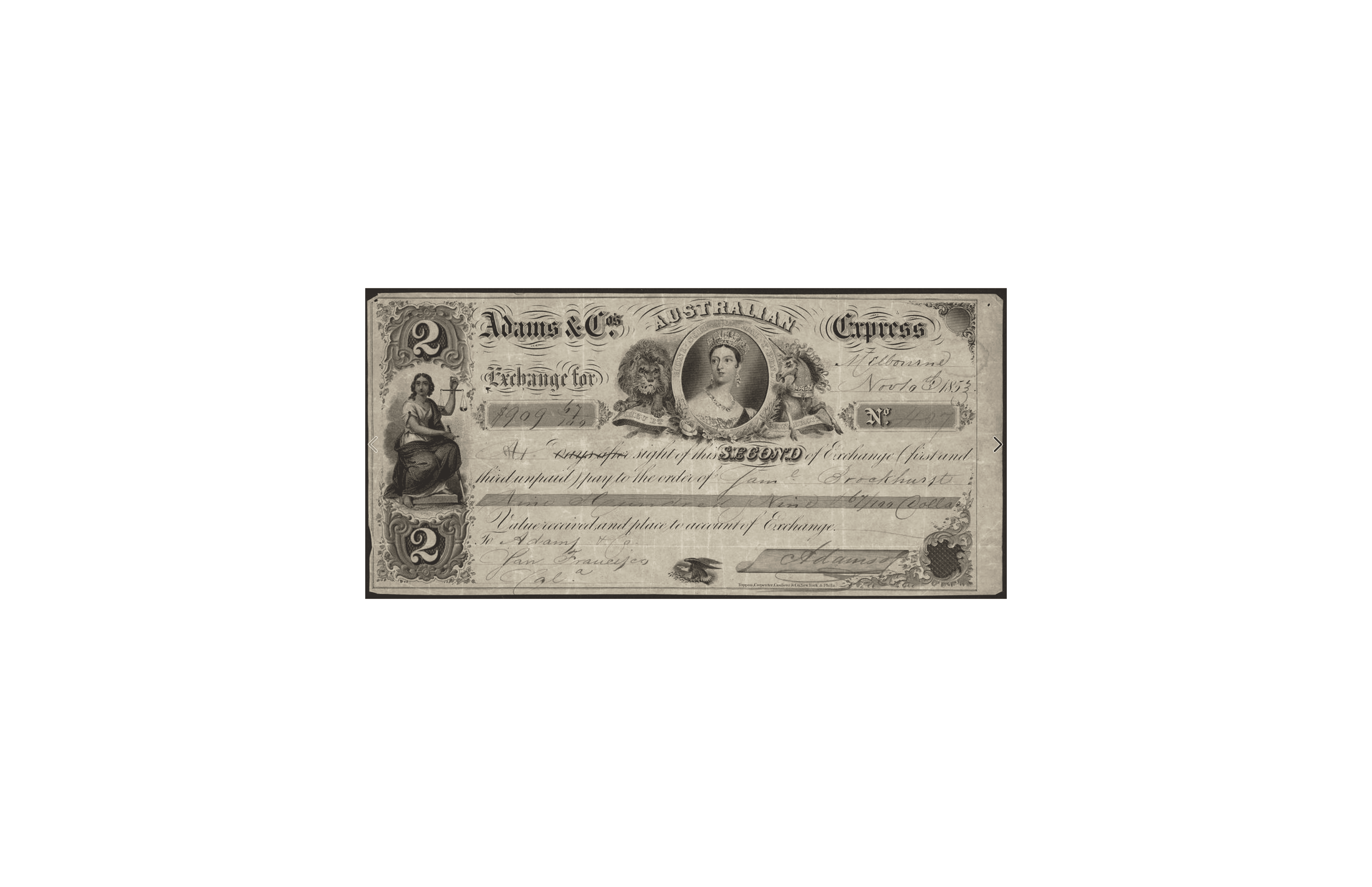
The value moved between cities even though Alice’s original coins never left London. That written instruction was the basic idea behind a bill of exchange.
What they were: A bill of exchange was a written instruction directing one merchant to pay another person in a different place. It allowed debts between cities to be settled without carrying the same coins along the trade route.
How long they have existed: Kohn documents their development from the earliest surviving example in 1220 through the year 1600. Bills continued in use after the period covered by his research and remain recognized in commercial law today under the Bills of Exchange Act 1882. Taken together, these sources show a history spanning more than 800 years, although no single source traces the instrument across that entire period.
Why they caught on: Bills made long distance trade safer and more practical. Merchants could conduct business across Europe by relying on trusted partners, written instructions and legal enforcement rather than repeatedly transporting precious metal.
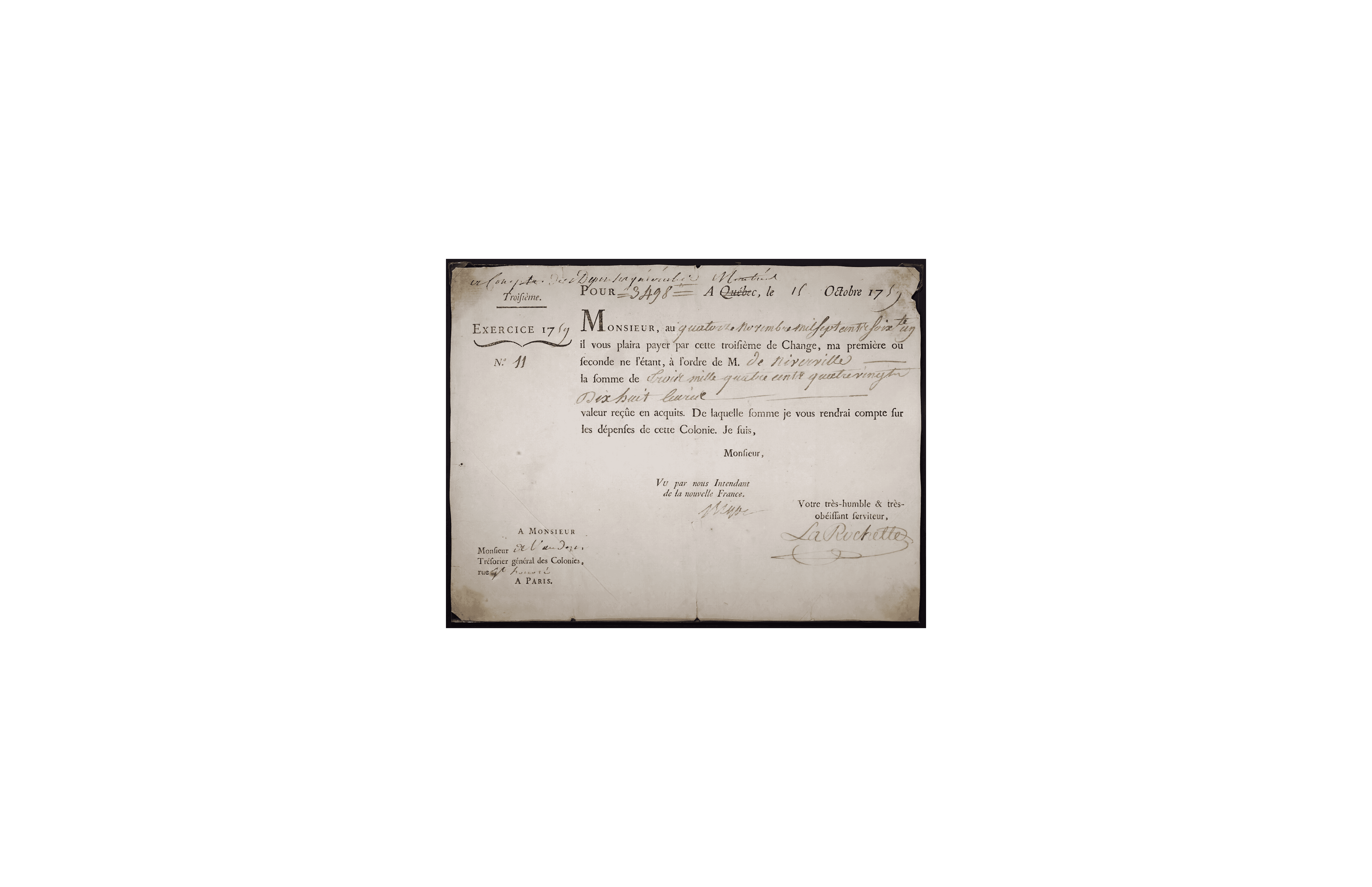
What Bitcoin shares with them: Both allow value to move across long distances without transporting gold or silver. A bill of exchange carried written payment instructions between merchants, while Bitcoin records and verifies transfers on a shared digital ledger.
What changes with Bitcoin: Bitcoin transfers the digitally native asset itself. The sender authorizes the transaction with a cryptographic signature created using their private key, and the network checks that signature before recording the transfer, without requiring a distant merchant or banker to complete the payment.
What Happens to Bitcoin in the Year 2140
Bitcoin is not programmed to end in 2140. That is simply when the fixed issuance schedule is expected to release the last new bitcoin through mining rewards.
From then on, miners would be paid through transaction fees rather than newly issued bitcoin. This creates an important long-term test: will those fees provide enough incentive to secure the network?
The protocol has no expiry date, so Bitcoin could continue operating long after 2140. Its survival would depend on continued demand for transactions, enough mining activity to protect the ledger, people independently checking that its rules are followed, and users continuing to accept bitcoin as valuable. As explored in our article on Bitcoin’s game theory, these participants are connected through incentives that encourage them to keep supporting the same network.
The Risks Behind Earlier Systems
Earlier systems for recording intangible value survived because people continued to find their records credible, but none was free from failure.
Tally sticks depended on the Crown: The wood could prove that an obligation had been recorded, but it could not force the Crown to pay. When confidence in the Crown’s finances weakened, tallies could trade for less than the amount recorded on them.
Goldsmith paper depended on the banker: A receipt was only as dependable as the goldsmith holding the coins. If that banker made poor loans, held insufficient reserves or failed, customers could lose access to their money.
Bills of exchange depended on merchants and courts: The paper carried a payment instruction, not the payment itself. Its acceptance depended on the reputation of the people named on it and the willingness of courts to enforce the obligation.
What Bitcoin Changes
Self custody removes the repayment issuer: There is no Crown, banker or merchant promising to redeem self-custodied bitcoin. Bitcoin is the asset being transferred, not a claim on money held by an issuer. There is therefore no issuer that can default on a promise to redeem it.
Verification replaces personal reputation: A Bitcoin transaction does not become valid because a trusted merchant signs their name to it. The sender authorizes it with a cryptographic signature, while participants independently check it against the network’s shared rules.
Settlement does not require a distant correspondent: Bitcoin can be sent directly across the network without another merchant, banker or court completing the payment. The transaction is broadcast within seconds, while its first on-chain confirmation usually arrives with the next block, which is produced about every ten minutes on average. Further confirmations provide greater settlement confidence.
The Risks Bitcoin Still Faces
Bitcoin does not remove risk completely: Private keys can be lost, mining power can become concentrated, software can contain faults, and disagreements can divide participants.
Long term security remains untested: After new coin issuance ends around 2140, miners will depend on transaction fees. Uses such as the Runes protocol can increase demand for Bitcoin block space and generate additional fees for miners. However, this activity can fluctuate sharply, so nobody yet knows whether transaction fees will provide enough incentive to secure the network over the very long term.
Custody can bring the old risk back: Leaving bitcoin with an exchange or another custodian creates dependence on that company’s reserves, security and honesty. Bitcoin remains digitally native, but the customer once again depends on a middleman to return it.
Bitcoin therefore does not eliminate every weakness found in earlier systems. It removes the need for an issuing institution to honour a repayment promise, while shifting responsibility toward software, incentives, network participation and the holder’s control of their private keys.
Could Bitcoin Still Exist 700 Years From Now?
Yes, Bitcoin could still exist 700 years from now. History cannot tell us that it will, but it shows that the idea of a financial record surviving for centuries is not remotely unprecedented. The protocol has no expiry date, and the end of new coin issuance around 2140 will not switch off the network. English tally sticks survived for more than 700 years, bills of exchange developed across eight centuries, and goldsmith paper helped shape modern banking. Their longevity shows that recorded value can outlive generations when people continue to find it credible, useful and transferable.
Bitcoin has existed for only seventeen years, so its greatest tests still lie ahead. Self-custodied bitcoin is not a promise from a Crown, banker or merchant, but its security still depends on users, miners, verification and sufficient transaction fees. The Coldcard weak seed generation failure showed that holders must also rely on wallets producing genuinely random keys with sufficient entropy. Bitcoin may eventually need to migrate toward quantum resistant cryptography as well.
Nothing about being intangible prevents Bitcoin from surviving for centuries, but doing so will require people to keep using it, securing it, verifying Bitcoin's rules and improving its supporting technology without weakening the properties that made it valuable.
——————————
Readers who understand Bitcoin’s long-term potential still need a disciplined way to respond to its short-term volatility. Bitcoin Trading Without Leverage lays out the Coinjuice framework for reading charts, identifying opportunities and managing risk without liquidation.
If you prefer ongoing research alongside the trading framework, the annual Coinjuice subscription is currently 30% off and includes the ebook at no additional cost. And if the book doesn’t help you approach markets with greater clarity and discipline, you can claim your money back.
——————————
AI was used to assist with research organization, source comparison, structural editing and clarity, while the article’s arguments, interpretations and final conclusions remained editorially directed and reviewed by Coinjuice.
FAQ
Why is Bitcoin considered an intangible asset?
Bitcoin is a digitally native asset recorded on a shared ledger. It is not a physical coin, a company share, or a promise that a bank, company, or government will repay its holder. Its ledger is intangible, and its security connects to the physical world through mining machines and electricity that make the record costly to rewrite.
How does Bitcoin differ from earlier systems like tally sticks, goldsmith paper, and bills of exchange?
Tally sticks, goldsmith paper, and bills of exchange were all claims that depended on an issuer such as the Crown, a banker, or merchants and courts to honour repayment or enforce obligations. Self-custodied Bitcoin is a bearer asset held directly through private keys, does not rely on an issuer to redeem it, and uses network verification instead of personal reputation or legal enforcement to validate transactions.
What happens to Bitcoin around the year 2140?
Around 2140, the fixed issuance schedule is expected to release the last new bitcoin through mining rewards. After that, miners would be paid through transaction fees rather than newly issued bitcoin. The protocol has no expiry date, so Bitcoin could continue operating long after 2140 if there is continued demand for transactions, enough mining activity to protect the ledger, independent verification of its rules, and users who continue to accept bitcoin as valuable.
Could Bitcoin still exist 700 years from now, and what conditions would that require?
Bitcoin could still exist 700 years from now. The protocol has no expiry date, and history shows that financial records such as English tally sticks, bills of exchange, and goldsmith paper can endure for centuries when people find them credible, useful, and transferable. For Bitcoin to last that long, people would need to keep using it, securing it, verifying its rules, and improving its supporting technology without weakening the properties that made it valuable, while its security would continue to depend on users, miners, and sufficient transaction fees.
Disclaimer
The information provided in this article is for informational purposes only. It is not intended to be, nor should it be construed as, financial advice. We do not make any warranties regarding the completeness, reliability, or accuracy of this information. All investments involve risk, and past performance does not guarantee future results. We recommend consulting a financial advisor before making any investment decisions.
More like this

Written by

Andrew Kamsky
Andrew Kamsky is a Bitcoin analyst. He spent a decade in traditional finance across a Big Four firm and a listed fintech bank before going deep on Bitcoin full-time.