












Quick summary
Bitcoin’s gold floor is gold price divided by Bitcoin price, defining BTC needed for parity
In May 2026, 0.058 BTC equals one ounce of gold worth 4,535 dollars
Bitcoin’s fixed 21 million supply versus gold’s expanding supply makes BTC the harder asset
Since 2009, BTC needed for one ounce collapsed while dollar cost stayed relatively stable
Bitcoin has made gold parity attainable in fractions of a coin. The gold floor, the point at which a Bitcoin holding matches the value of one ounce of gold, sits at 0.058 BTC in May 2026. Gold trades at $4,535 per oz. Bitcoin trades at $77,853 on May 21, 2026.
This article explains what the gold floor is, how it has moved since Bitcoin launched in 2009, and what the threshold means for individuals measuring inflation protection in hard money terms.
What Is the Bitcoin Gold Floor
The gold floor is a calculation.
Formula: Gold price ÷ Bitcoin price = BTC required to match one ounce of gold
At May 2026 prices:
Gold: $4,535 per oz
Bitcoin: $77,853
Gold floor: 0.058 BTC
What this means: Holding 0.058 BTC gives an individual the same hard money exposure as holding one ounce of gold. The benchmark store of value assets that central banks, sovereign wealth funds, and institutional investors have used for centuries.
Why it matters: Gold has protected purchasing power for centuries. Bitcoin has a fixed supply of 21 million coins, gold supply grows every year. Holding BTC above the gold floor means holding more value in the scarcer of the two assets. At today's prices, anything above 0.058 BTC sits in harder money than gold.
Why Bitcoin Has a Harder Supply Than Gold
The distinction between the two assets is worth stating clearly before examining the floor's history.
Gold supply:
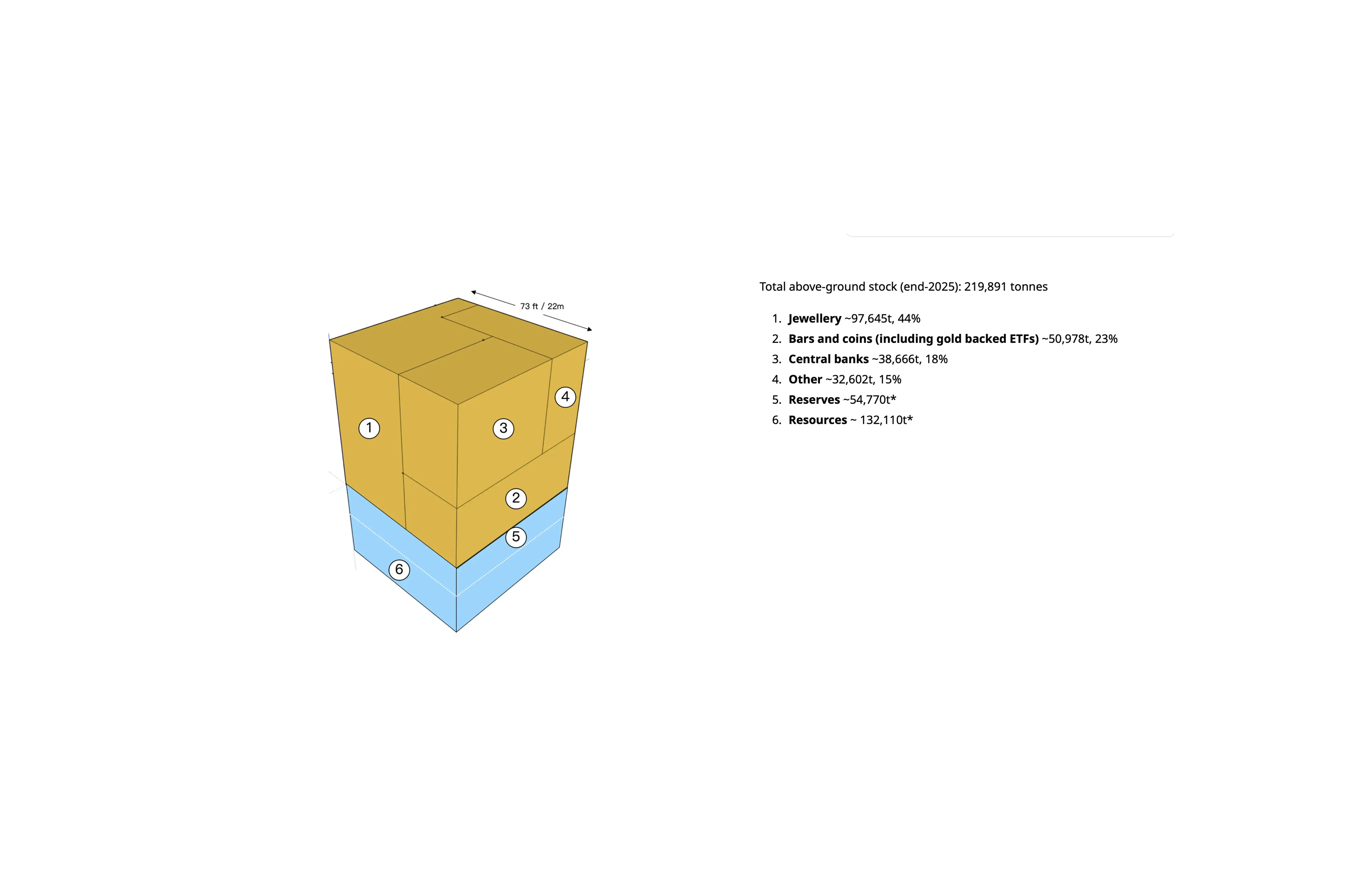
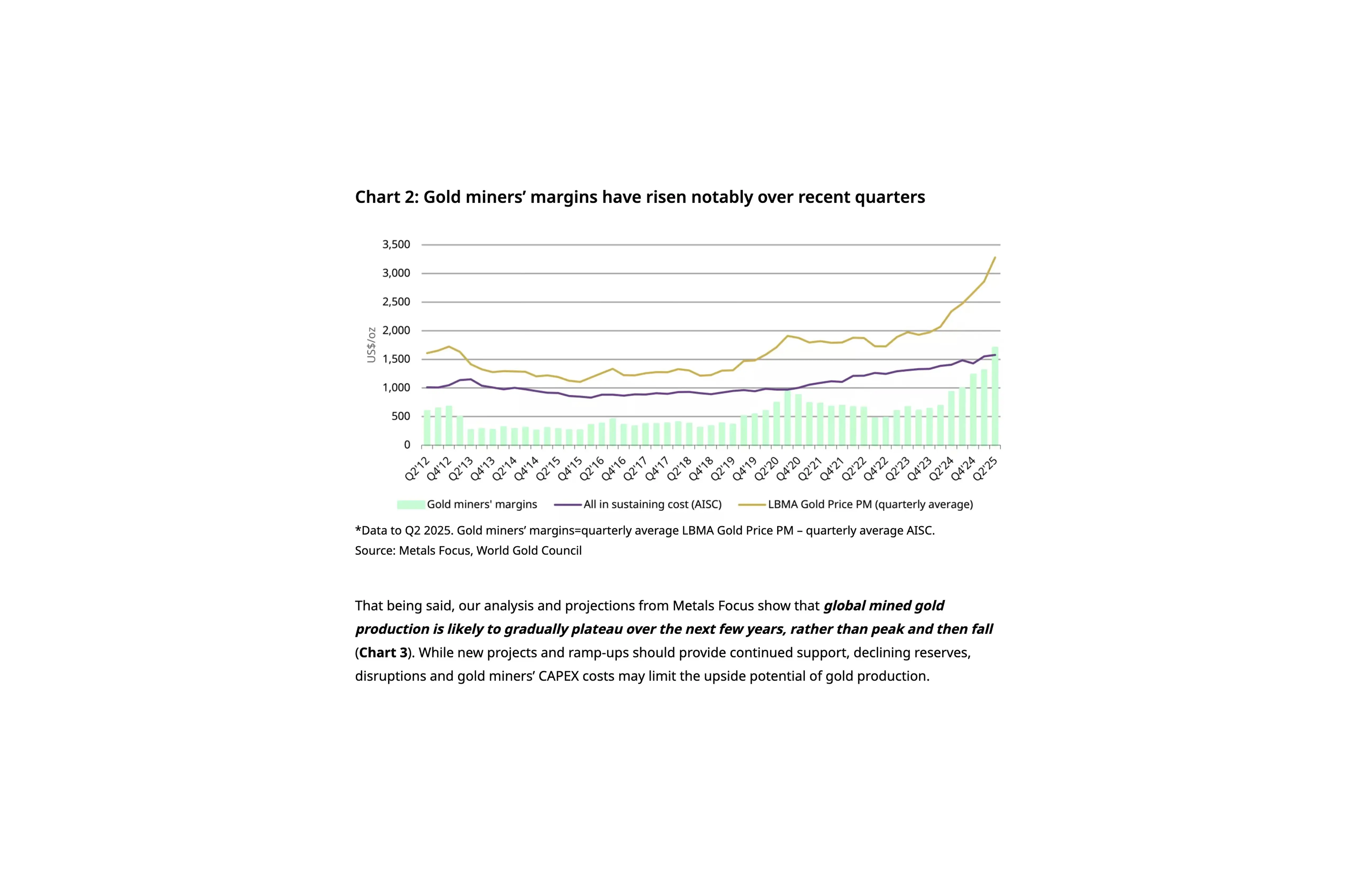
Above-ground stock: Approximately 219,891 tonnes mined throughout history per World Gold Council February 2025 data, with roughly 3,300 to 3,664 tonnes added annually — a record set in 2024.
Expanding supply: Gold supply grows every year with no hard cap. Annual mine production is on track to exceed 3,700 tonnes in 2026.
Bitcoin supply:
Hard cap: 21 million coins total. Fixed by protocol. Enforced by every node in the network
Halving schedule: New issuance halves approximately every four years, reducing the rate of new supply automatically
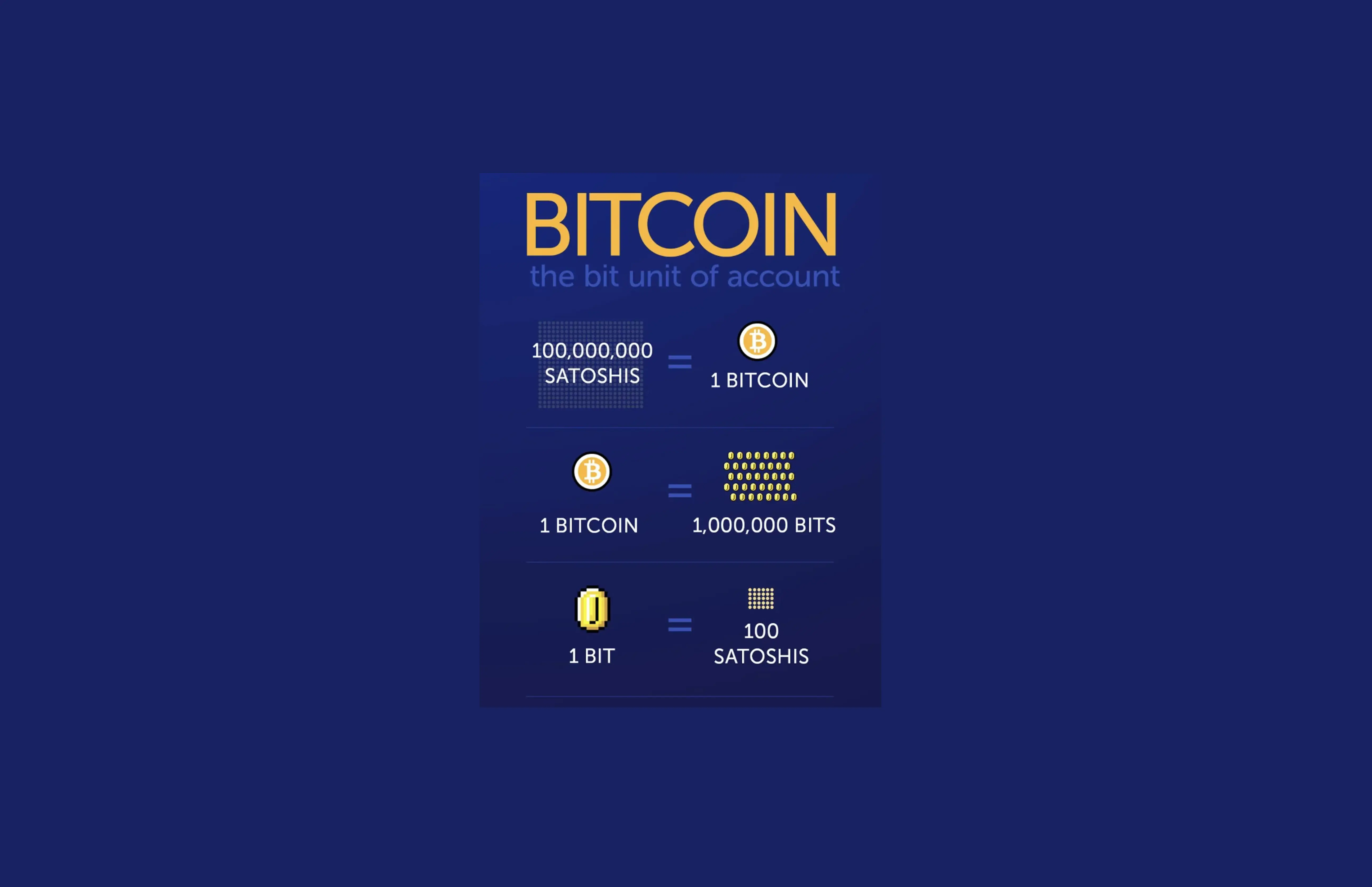
Divisibility: One Bitcoin splits into 100 million satoshis. Bitcoin handles fractional ownership at the smallest unit of account available in any monetary system.
End date: The final Bitcoin is projected to be mined around 2140.
The implication: Gold is scarce. Bitcoin is finite. Measuring wealth against a finite denominator produces a more honest valuation than measuring it against an asset whose supply expands annually. The gold floor uses this distinction practically. It asks: how much of the harder asset does a holding need to match the softer one?
The Gold Floor From 2009 to 2026
The table below tracks the BTC required to match one ounce of gold at each point in Bitcoin's history.
Year | Gold price | BTC price | Gold floor | Dollar cost to cross |
2009 | ~$972 | ~$0.001 | ~972,000 BTC | ~$972 |
2010 | ~$1,225 | ~$0.10 | ~12,250 BTC | ~$1,225 |
2011 | ~$1,572 | ~$5 | ~314 BTC | ~$1,572 |
2012 | ~$1,669 | ~$10 | ~167 BTC | ~$1,669 |
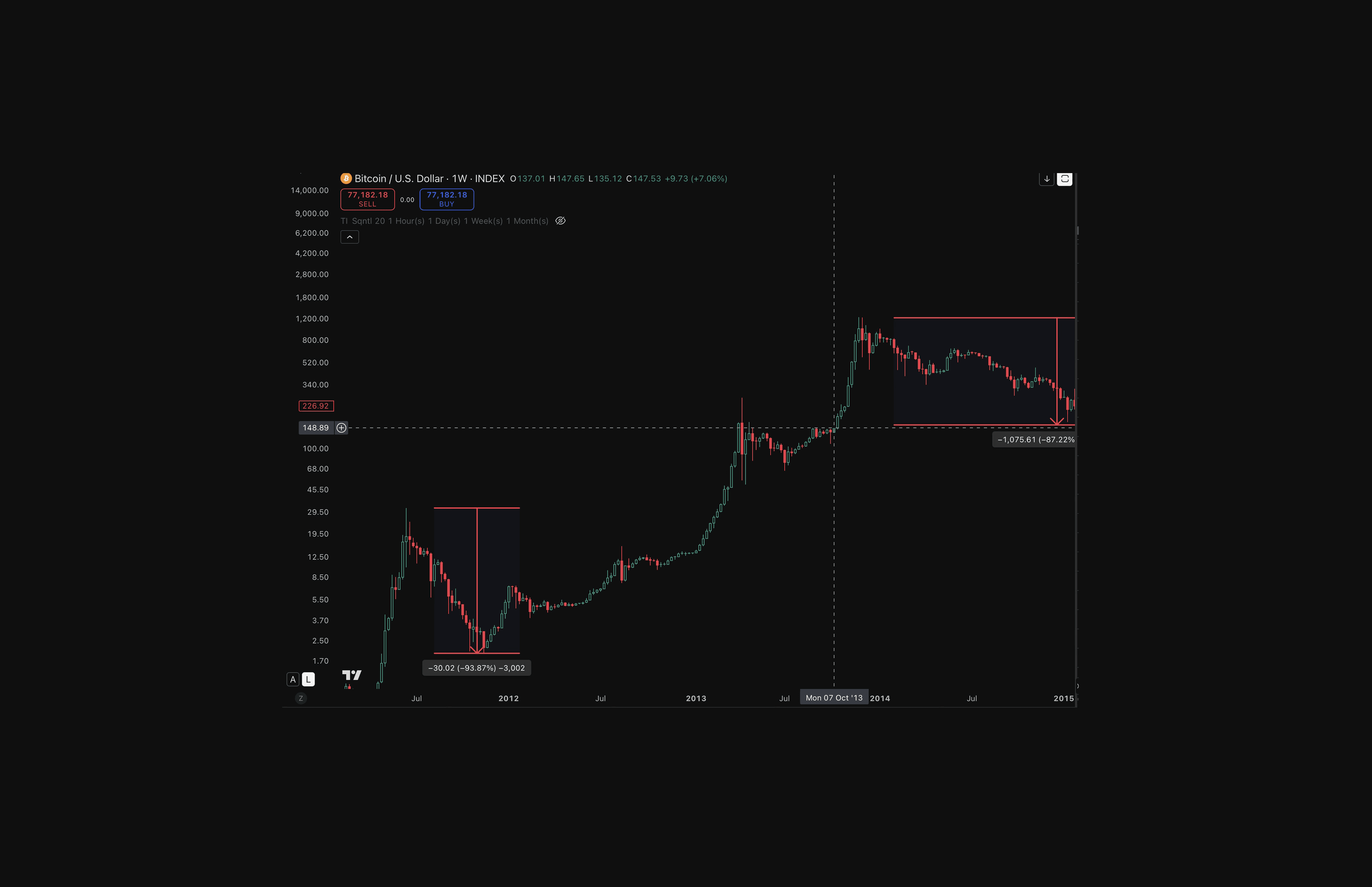
2013 | ~$1,411 | ~$100 | ~14 BTC | ~$1,411 |
2014 | ~$1,266 | ~$500 | ~2.5 BTC | ~$1,266 |
2015 | ~$1,161 | ~$300 | ~3.9 BTC | ~$1,161 |
2016 | ~$1,251 | ~$700 | ~1.8 BTC | ~$1,251 |
2017 | ~$1,228 | ~$1,228 | 1.0 BTC | ~$1,228 |
2018 | ~$1,268 | ~$3,200 | ~0.40 BTC | ~$1,268 |
2019 | ~$1,477 | ~$7,000 | ~0.21 BTC | ~$1,477 |
2020 | ~$1,770 | ~$9,000 | ~0.197 BTC | ~$1,770 |
2021 | ~$1,800 | ~$30,000 | ~0.060 BTC | ~$1,800 |
2022 | ~$1,800 | ~$20,000 | ~0.090 BTC | ~$1,800 |
2023 | ~$1,940 | ~$30,000 | ~0.065 BTC | ~$1,940 |
2024 | ~$2,386 | ~$65,000 | ~0.037 BTC | ~$2,386 |
2025 | ~$3,340 | ~$95,000 | ~0.035 BTC | ~$3,340 |
2026 | $4,535 | $77,853 | 0.058 BTC | $4,535 |
Source: Representative annual figures; the 2017 entry reflects March 3, 2017, the historic date of BTC/gold price parity. Gold prices via National Mining Association historical data. Bitcoin prices via CoinGecko. 2026 figures confirmed via DeFiLlama and TradingView May 21, 2026.
Three Observations From the Table
Floor collapse in BTC terms: In 2009 the threshold sat at roughly 972,000 BTC. By 2013 it fell to 14 BTC. By 2017 it reached 1.0 BTC, the historic parity moment. By 2021 it dropped to 0.06 BTC. In May 2026 the threshold remained below 0.1 BTC for the fifth consecutive year
Dollar cost stability: Throughout Bitcoin's history, reaching the gold floor has cost roughly $972 to $4,535 in dollar terms. The BTC received for that dollar amount has compressed from hundreds of thousands to fractions of a single coin. The dollar entry point has remained within the same order of magnitude across 17 years
Five years of sub-0.1 BTC floor: From 2021 to 2026 the floor has held between 0.035 and 0.09 BTC. Each halving cycle has compressed it further as Bitcoin's price appreciation outpaces gold's.
At $400,000 per coin, 0.058 BTC, the cost of crossing the gold floor today at $4,535 would be worth $23,200. The same dollar amount. A different position entirely. The accumulation framework behind timing that entry is outlined in the Coinjuice ebook.
March 2017: Bitcoin and Gold at Price Parity
On March 3, 2017, one Bitcoin matched the price of one ounce of gold for the first time. Both traded at approximately $1,228.
The gold floor threshold that day was exactly 1.0 BTC. Clean, round, and for the first time in Bitcoin's history, legible to any individual measuring inflation protection in hard money terms.
Gold is the asset central banks have held for centuries to preserve purchasing power. Matching gold parity in Bitcoin meant holding the same baseline in a fixed-supply, digitally native asset for the price of a single coin. The floor has remained below 1.0 BTC since that date.
2017 floor: 1.0 BTC at $1,228 to reach parity
2026 floor: 0.058 BTC at $4,535 to reach parity
1 BTC held since 2017: Represents approximately 17 oz of gold today at 17x the current threshold.
The dollar cost of reaching the threshold has stayed within a similar range across 13 years. The BTC received has compressed by 99.6%, the same dollar amount buys less Bitcoin each cycle. The threshold narrows because the denominator is fixed and everything else keeps expanding.
What the Gold Floor Measures
Inflation erodes purchasing power. It does so continuously.
Supply expansion: Central banks expand money supply through debt issuance and monetary policy, increasing the number of currency units in circulation
Purchasing power erosion: More currency chasing the same goods pushes prices higher. Assets priced in that currency appear to grow in nominal value while their hard money worth declines
The measurement distinction: Dollar-denominated returns absorb both genuine value creation and inflation. A fixed-supply denominator separates the two.
The threshold in practical terms: The gold floor in May 2026 is around 0.058 BTC, a measurable, recalculating number. At $77,853 per coin the dollar cost of reaching it is approximately $4,535. Everything above 0.058 BTC represents accumulation beyond the inflation protection baseline.
The Floor Is Dynamic
The gold floor recalculates daily as both gold and Bitcoin prices move.
When Bitcoin rises faster than gold: The floor in BTC terms falls. Less Bitcoin is required to match one ounce of gold
When gold rises faster than Bitcoin: The floor adjusts upward. More Bitcoin is required to reach parity
Historical direction: Gold has lost approximately 71% of its Bitcoin-denominated value since 2020. Each cycle the BTC required to match gold has declined.
How Much Bitcoin Is Enough
The gold floor answers one question: what is the minimum measurable Bitcoin position for an individual seeking inflation protection benchmarked against hard money. For institutions the same calculation scales taken in the formula are identical, the position size differs. The gold floor is one measurable way to approach it at any level of capital.
The answer in May 2026: 0.058 BTC.
Below 0.058 BTC accumulation phase: Every satoshi accumulated moves toward the floor. 0.058 BTC equals 5,800,000 satoshis a measurable, trackable progress marker in a fixed unit
At 0.058 BTC gold parity: The position matches the hard money value of one ounce of gold. The holding sits in an asset with a stricter supply constraint than physical gold.
Above 0.058 BTC: Every satoshi beyond the floor widens the gap between what is held and what inflation erodes.
Conclusion
The gold floor is a measurement. Gold has preserved purchasing power across centuries. Bitcoin carries a harder supply constraint. The threshold at which a Bitcoin holding matches one ounce of gold — 0.058 BTC in May 2026 — is the measurable baseline for individuals benchmarking hard money exposure against the incumbent store of value.
The threshold has remained below 0.1 BTC since 2021. Each cycle the BTC required to reach it has declined. Each cycle the dollar cost of reaching it has risen modestly.
One ounce of gold is the measurable threshold. But how many ounces does academic research say an individual actually needs to protect against inflation over time? The answer changes the Bitcoin target entirely.
For readers who want to understand how to position and accumulate without leverage or liquidation risk, the framework is outlined in the Coinjuice ebook.
Data sources: Annual average gold prices via National Mining Association historical data (nma.org). Bitcoin prices via CoinGecko historical data and DeFiLlama. 2026 spot prices confirmed via TradingView May 21, 2026. World Gold Council February 2025 for above-ground gold stock. This article is for informational purposes only.
FAQ
What is the Bitcoin gold floor and how is it calculated?
The Bitcoin gold floor is the amount of Bitcoin required to match the value of one ounce of gold. It is calculated using the formula: gold price ÷ Bitcoin price = BTC required to match one ounce of gold.
What is the current gold floor in May 2026 and what does it represent?
In May 2026 the gold floor is 0.058 BTC, with gold at $4,535 per ounce and Bitcoin at $77,853. Holding 0.058 BTC gives an individual the same hard money exposure as holding one ounce of gold.
Why is Bitcoin described as having a harder supply than gold?
Bitcoin has a fixed supply cap of 21 million coins enforced by the network, with new issuance halving roughly every four years and the last coin projected to be mined around 2140. Gold has no hard cap, its above‑ground stock grows every year by thousands of tonnes, so its supply continually expands.
How does the gold floor relate to inflation protection and accumulation?
The gold floor provides a measurable baseline for inflation protection benchmarked against hard money. In May 2026, 0.058 BTC (5,800,000 satoshis) is the threshold: below it is the accumulation phase toward parity, at it a position matches the hard money value of one ounce of gold, and above it every additional satoshi widens the gap between what is held and what inflation erodes.
Disclaimer
The information provided in this article is for informational purposes only. It is not intended to be, nor should it be construed as, financial advice. We do not make any warranties regarding the completeness, reliability, or accuracy of this information. All investments involve risk, and past performance does not guarantee future results. We recommend consulting a financial advisor before making any investment decisions.
More like this
Written by

Andrew Kamsky
Andrew Kamsky is a Bitcoin analyst. He spent a decade in traditional finance across a Big Four firm and a listed fintech bank before going deep on Bitcoin full-time.