









Quick summary
Between May 2024 and March 2026, wallets holding more than 1,000 BTC reduced in aggregate balances
Wallets holding 100–1,000 BTC accumulated about 1.26 million BTC during the period
Micro-balance address counts increased significantly, indicating broader network participation despite technical factors
The redistribution may reflect institutional-scale restructuring and a gradual dispersion of Bitcoin ownership
Comparing on-chain data from May 2024 to March 2026—a 22-month period—reveals a clear shift in Bitcoin ownership across wallet tiers. Large holders (1,000+ BTC) reduced aggregate balances by about 840,000 BTC, while mid-tier wallets (100–1,000 BTC) accumulated roughly 1.26 million BTC over the same period. At the same time, micro-balance address counts increased by more than 4 million addresses across the smallest balance tiers. Together, these trends point to increasing institutional allocation alongside broader retail participation, developments that may influence market liquidity, circulating supply, and long-term price dynamics.
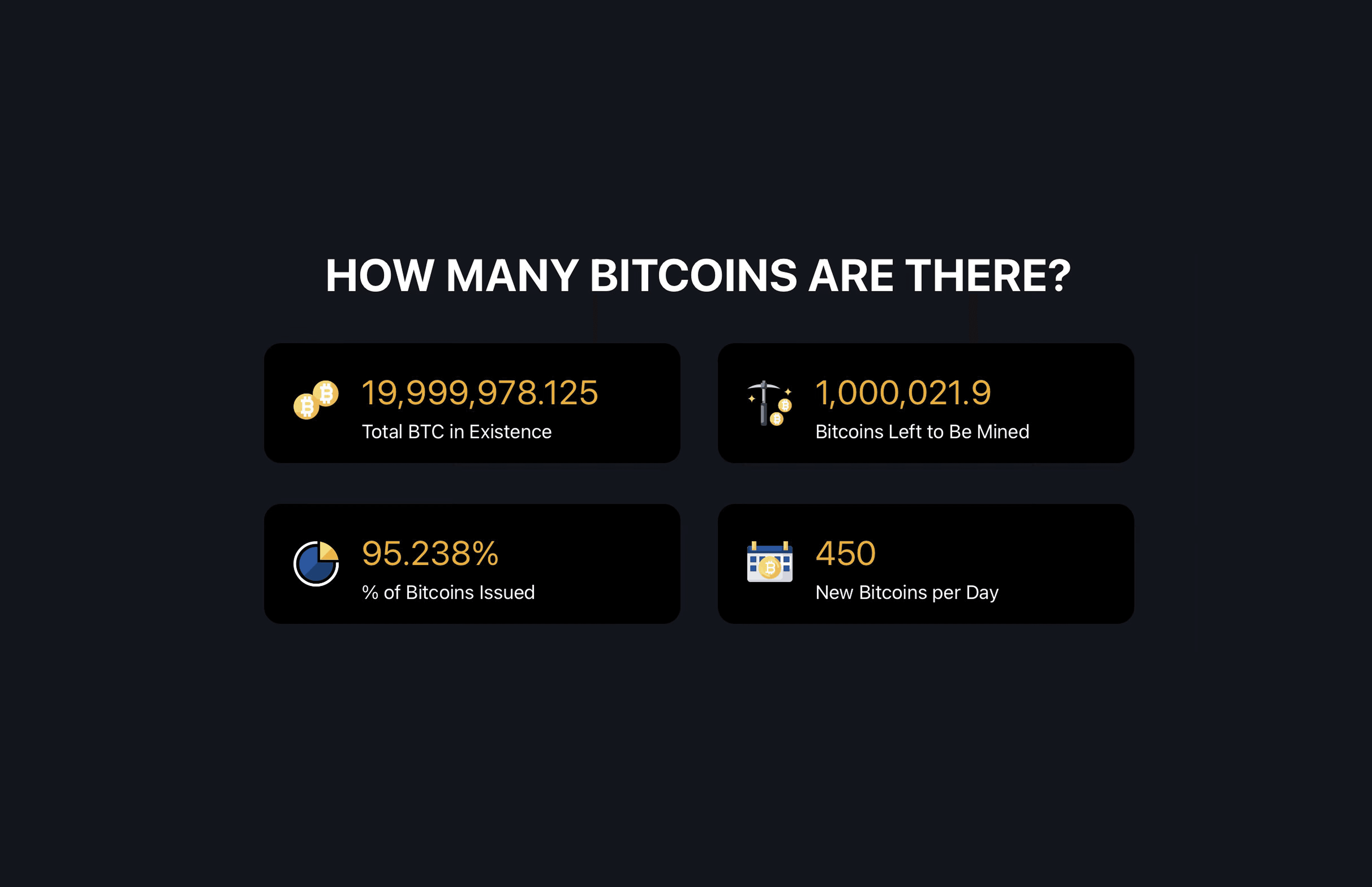
This article examines how Bitcoin holdings have redistributed across wallet tiers and what those changes may signal for market structure and price behavior as Bitcoin approaches less than 1 million coins left to be mined.
Bitcoin Wallet Distribution 2024–2026: Large Holder Decline and Mid-Tier Accumulation
On-chain analysis examines activity recorded directly on the Bitcoin blockchain. One commonly used method evaluates wallet distribution parameters. These parameters group blockchain addresses by balance size and measure how much of the total Bitcoin supply sits within each group.
Wallet tiers include ranges such as:
Micro balances (fractions of a bitcoin)
Small balances (under 1-10 BTC)
Mid-tier balances (100–1,000 BTC)
Large holders (1,000+ BTC)
2026 vs 2024: Large Holder Decline and Mid-Tier Expansion Seen
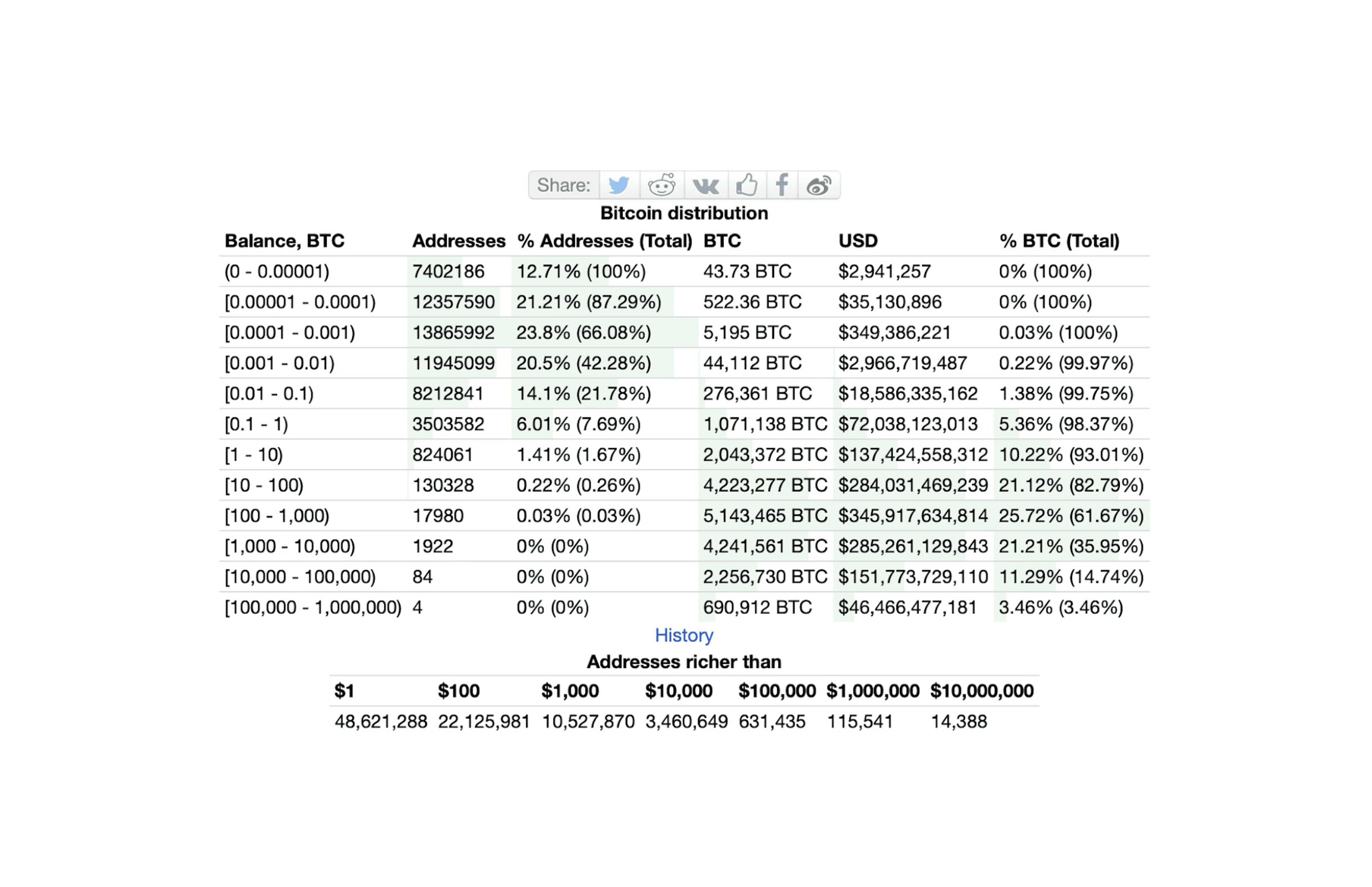
Data from the two snapshots shows a decline in the largest wallet tiers and expansion within the 100–1,000 BTC range by 2026.
Wallet Tier | May 2024 | Mar 2026 | Change |
100–1,000 BTC | 3,878,255 BTC | 5,143,465 BTC | +1,265,210 BTC |
1,000–10,000 BTC | 4,922,237 BTC | 4,241,561 BTC | −680,676 BTC |
10,000–100,000 BTC | 2,418,794 BTC | 2,256,730 BTC | −162,064 BTC |
Approximately 842,000 BTC moved away from the largest balance groups during the observed period. Meanwhile, mid-tier wallets accumulated more than 1.26 million BTC over 22 months.
Balances within the 100–1,000 BTC range represent portfolios worth roughly $7 million to $67 million at prices near $67,000 per bitcoin. As the BTC market price fluctuates, the dollar value of holdings in this tier can vary substantially over time. Capital at this scale often corresponds with institutional allocation strategies, fund-level treasury positions, and high-net-worth investment accounts.
Bitcoin Wallet Redistribution: Are Whales Selling or Restructuring Holdings?
A decline in the largest Bitcoin wallet tiers does not necessarily indicate that major holders are exiting the market. In many cases, it reflects redistribution rather than liquidation, as large balances may be restructured across multiple addresses for custody, security, or portfolio management purposes. This means:
Redistribution rather than exit: Large holders often split balances across several wallets for security, custody services, or institutional portfolio management.
Institutional-scale holdings: The 100–1,000 BTC tier, roughly $7–$67 million at recent prices, aligns with allocations typically used by hedge funds, family offices, and corporate treasuries.
Market maturation: Shifts from very large wallets toward mid-tier balances can indicate ownership spreading across a broader base of professional investors.
Together, these patterns may indicate gradual maturation in Bitcoin’s ownership distribution, where holdings appear to be spreading across a broader range of participants rather than remaining highly concentrated among a small number of early large holders. However, on-chain address data should be interpreted cautiously, as custodians, exchanges, and institutional structures can aggregate many investors within single wallets.
Growth of Micro-Balance Bitcoin Addresses Across the Network
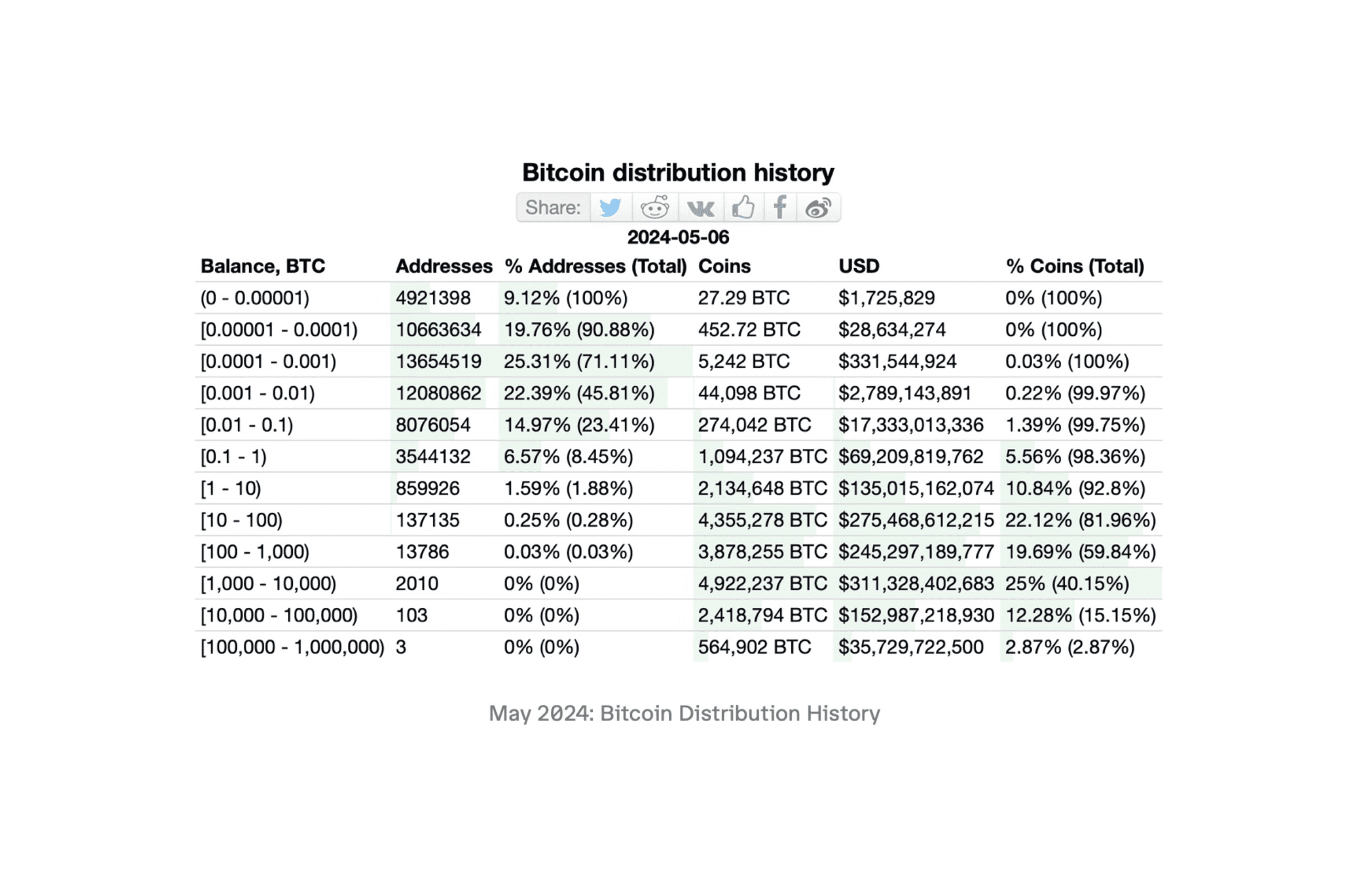
Lower-balance address counts also increased across the 22-month period.
While some of this growth may reflect broader participation from smaller holders, micro-balance addresses can also result from technical factors such as exchange withdrawals, wallet change outputs, and Lightning Network activity.
Wallet Tier | May 2024 | Mar 2026 | Change |
0–0.00001 BTC addresses | 4,921,398 | 7,402,186 | +2,480,788 |
0.00001–0.0001 BTC addresses | 10,663,634 | 12,357,590 | +1,693,956 |
Despite technical factors affecting counts, steady expansion in smaller address tiers indicates broader participation across the network.
Price Implications of Distribution Changes
Ownership distribution can influence market behavior through supply dynamics within Bitcoin’s circulating market supply:
Reduced liquid supply: Many early large holders acquired Bitcoin at very low cost bases. When these holdings move into institutional portfolios, they are often placed under longer-term investment mandates, reducing the amount of supply available for short-term trading.
Higher aggregate cost basis: Accumulation during the 2024–2026 period occurred largely above historical cycle lows. Holdings established at higher price levels can contribute to stronger structural support in the market.
Simultaneous growth across market layers: Mid-tier accumulation combined with rising micro-balance address counts reflects participation from both capital allocators and smaller market entrants.
Risks From Interpreting On-Chain Ownership Data
Blockchain analysis provides valuable insights but contains limitations. Individual wallet addresses do not carry identifying labels. Exchange custody systems, institutional custodians, and ETF structures can aggregate many investors inside single blockchain addresses.
Despite structural complexities, directional changes across wallet tiers align with broader market developments, including increasing institutional allocation and expanding global adoption.
Conclusion
On-chain data between May 2024 and March 2026 highlights a measurable shift in how Bitcoin is distributed across wallet tiers. Holdings within the largest balance categories declined while the 100–1,000 BTC bracket expanded significantly. Alongside continued growth in micro-balance address counts.
Taken together, these changes suggest a redistribution of Bitcoin across different ownership layers, with mid-sized portfolios playing a larger role in the network’s balance structure. Although address-level data cannot perfectly identify individual investors or institutions, the broader pattern indicates a more dispersed ownership base.
FAQ
What major changes in Bitcoin wallet distribution were observed between May 2024 and March 2026?
Large holders with 1,000+ BTC reduced their balances, mid-tier wallets holding 100–1,000 BTC accumulated significant amounts, and micro-balance address counts continued to rise.
How did BTC balances change in the 100–1,000 BTC and largest wallet tiers over the 22-month period?
Wallets holding 100–1,000 BTC increased their balances from 3,878,255 BTC to 5,143,465 BTC, an accumulation of more than 1.26 million BTC, while approximately 842,000 BTC moved away from the largest balance groups (1,000–100,000 BTC).
What does the growth in micro-balance Bitcoin addresses suggest, and what factors can contribute to it?
Steady expansion in smaller address tiers suggests broader participation across the network, although micro-balance addresses can also result from exchange withdrawals, wallet change outputs, and Lightning Network activity.
How can the redistribution of Bitcoin across wallet tiers affect market structure and price behavior?
Redistribution can reduce liquid supply as coins move into longer-term institutional mandates, raise the aggregate cost basis by shifting holdings to higher price levels, and reflect simultaneous growth among both capital allocators and smaller market entrants.
Disclaimer
The information provided in this article is for informational purposes only. It is not intended to be, nor should it be construed as, financial advice. We do not make any warranties regarding the completeness, reliability, or accuracy of this information. All investments involve risk, and past performance does not guarantee future results. We recommend consulting a financial advisor before making any investment decisions.
More like this


Written by

Andrew Kamsky
Andrew Kamsky is a Bitcoin analyst. He spent a decade in traditional finance across a Big Four firm and a listed fintech bank before going deep on Bitcoin full-time.