




Quick summary
Midnight is a Cardano-partner Layer 1 focused on institutional-grade, native privacy infrastructure
Syed stresses exposure on transparent blockchains blocks institutional adoption, advocating selective disclosure via zero-knowledge
Monument Bank pilots Midnight with private tokenized deposits, tokenized RWAs, and Lombard lending
Midnight aims to be private and permissionless, regulator-compatible, with Minotaur consensus in development to open validation across chains
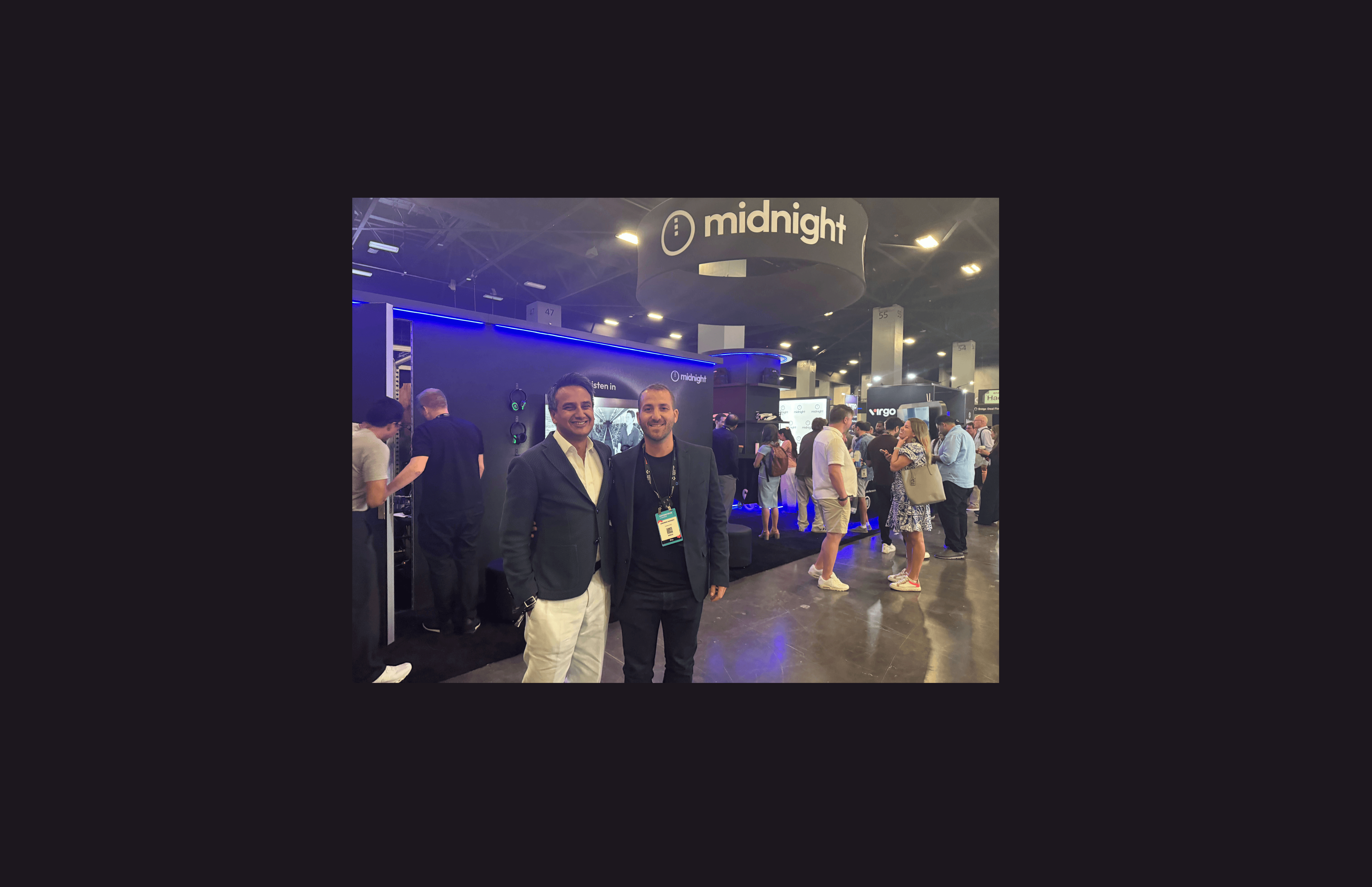
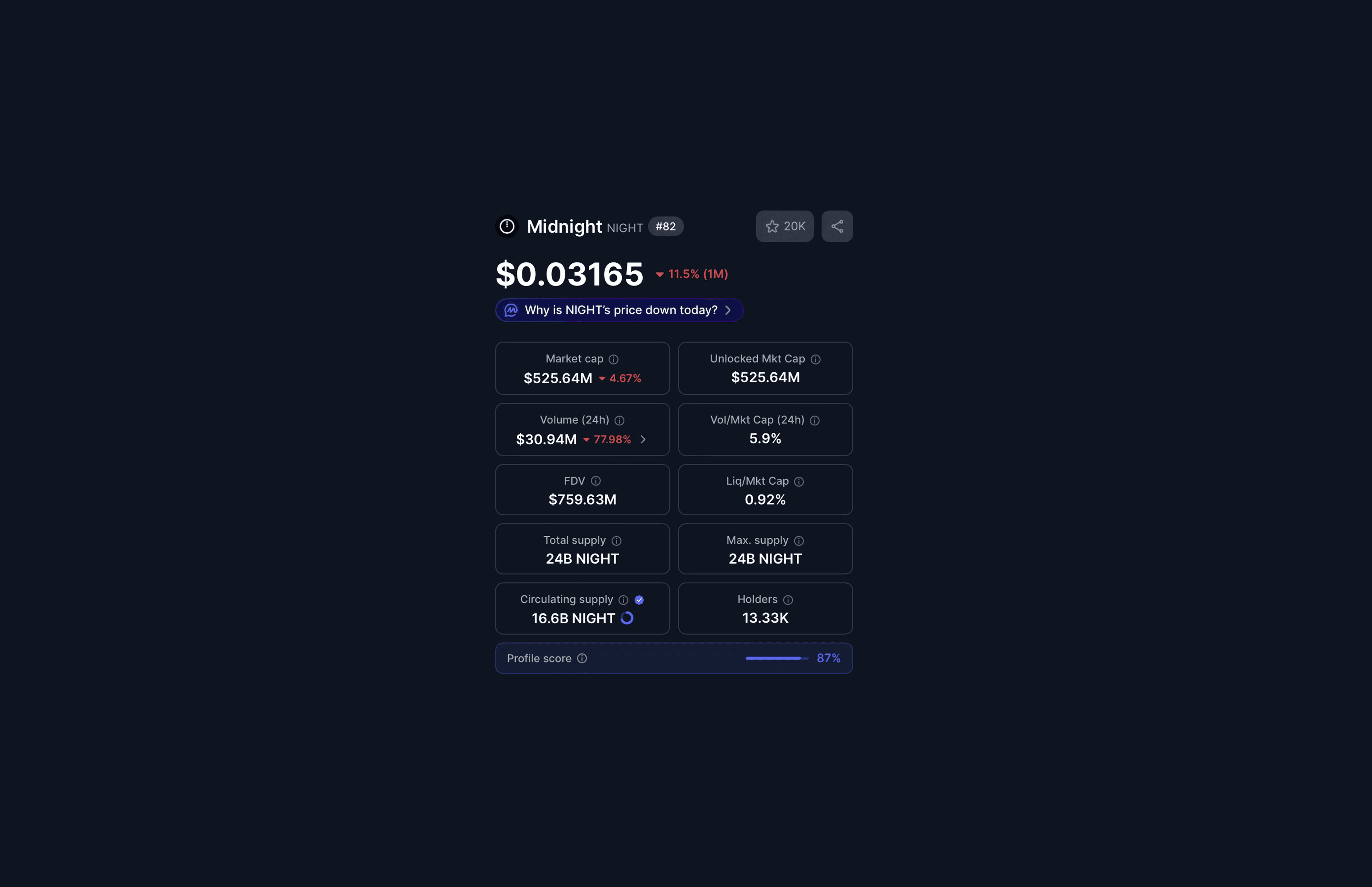
Midnight launched mainnet in March 2026. Most of the conversation since has focused on the NIGHT token, the Glacier Drop unlock schedule, and price.
Bitcoin works as a transparent network because transparency is the point. Bitcoin is a public, verifiable ledger of monetary transactions. Traditional finance already solved privacy differently. A supplier payment stays between a business and its bank. A patient record stays between a hospital and its staff. A fund's trading strategy stays internal. That discretion is assumed. As TradFi and DeFi converge with institutions exploring tokenized assets, on-chain settlement, and programmable finance, blockchain infrastructure needs to replicate the same standard. Visibility by default is not a feature in those environments. It is more of a barrier to growth.
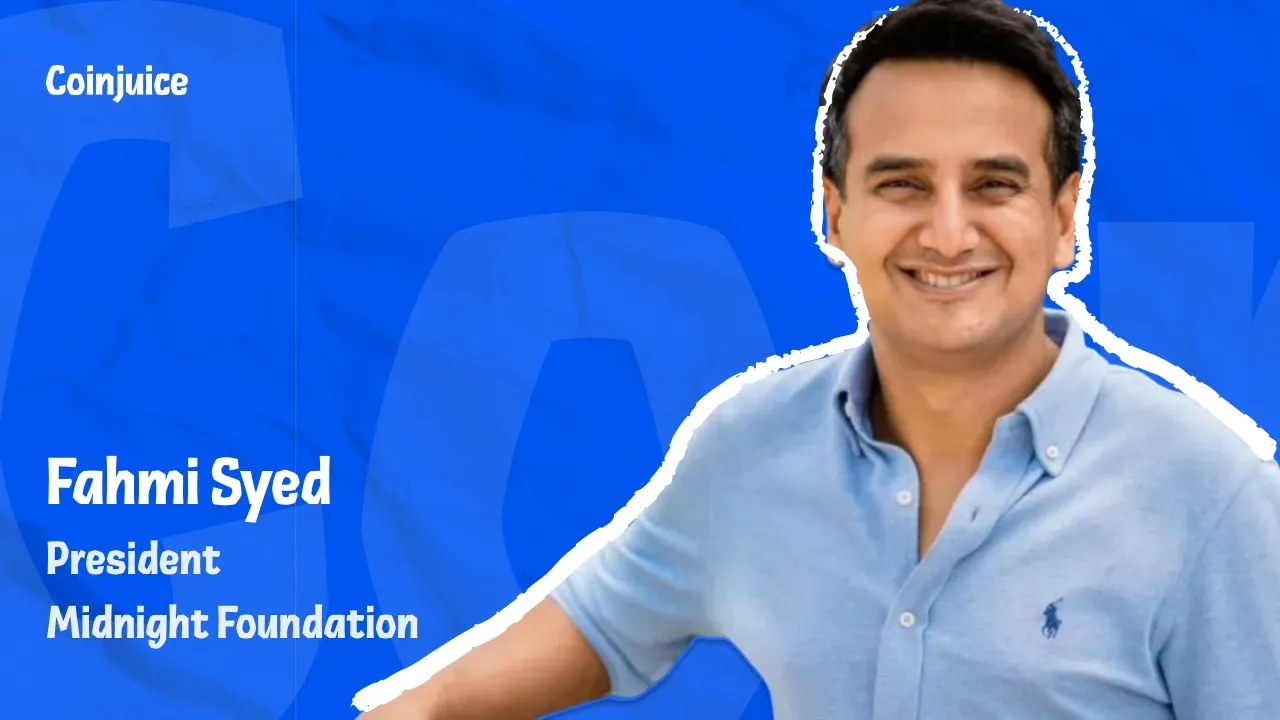
That is the problem Fahmi Syed, President of the Midnight Foundation, is building for in Midnight (NIGHT). Coinjuice sat down with Syed on the floor at Consensus Miami 2026, cross-referenced against what Midnight is and how it works and the broader privacy landscape Midnight is deliberately trying to move beyond.
Why Privacy Infrastructure Matters for Institutional Blockchain Adoption
The answer, according to Syed, is not complexity or regulation. It is exposure.
Syed drew from everyday experience to make the point: "Think about what you do in your day to day life. When you buy something using your credit card or making a bank transfer, that is between you, the retailer, and your bank. Your family, your partners, your friends don't see that. Random strangers don't see where you spend your money." On a public blockchain, that changes. Wallet balances, transaction histories, asset positions are all permanently visible. Not just today. Forever.
Syed was direct about where that leads: "AI bots will dox you, and then all your transaction history, all your wealth, is exposed to everyone."
No institution will accept that as the cost of using blockchain infrastructure. As Syed put it, mass adoption requires more than "the crypto fanboys and the crypto curious." The privacy question is foundational. It is structural and it's just starting.
Is Midnight a Layer 2 on Cardano or Its Own Blockchain?
A common point of confusion is where Midnight sits relative to Cardano.
Syed was clear: Midnight is its own Layer 1. A partner chain, not a layer built on top. In his words: "The NIGHT token, which gives you access and governance of the network, is a Cardano asset and therefore, through Cardano, we've got governance security. We also have access and liquidity to custodians, to exchanges." The NIGHT token lives on Cardano. The validator network securing Midnight is Cardano's. The chains are separate.
Midnight is also designed to connect into other blockchain ecosystems. Through cooperative tokenomics, users from other networks can access Midnight without holding NIGHT, and Minotaur — when live — will open validation to participants across chains. For Syed, that interoperability starts with getting the privacy architecture right from the beginning.
Syed explained why privacy has to be native rather than retrofitted with a direct analogy: "You do not walk out naked and then get dressed. It's too late. You're exposed. You have to walk out your door fully clothed, and like here in Miami where it's hot, you take off a jacket, you roll up your sleeves. That is selective disclosure."
Optional or rational privacy added onto transparent blockchains still leaves metadata exposed around the edges. As covered in the Midnight explainer, transactions on Midnight are processed off-chain and only a zero-knowledge proof of the result is submitted on-chain leaving no underlying data exposed by default.
Can Regulators Shut Midnight Down
The regulatory question is the one that has ended privacy-focused blockchain projects before.
Syed did not claim regulators will never push back. What he argued is that Midnight is structurally different from the assets regulators have historically targeted.
Earlier privacy networks — covered in the privacy coins breakdown — proved that zero-knowledge proofs work. They encountered problems because privacy is tied to the token itself, making regulatory compliance difficult to implement at scale. Regulators tended to treat the token as the risk rather than the applications built around it.
Midnight separates those two things. Syed was direct: "Within Midnight, the same concept can be built. You can have private transactions. It is visible to the client. It is visible to Monument and nobody else. But if Monument wishes to disclose it to their compliance team or to a regulator, through the smart contract we built on Midnight, they can do so."
On the smart contract layer specifically: "The choice is all there in the technology that we built. The ledger, but also in our unique smart contract called Compact. And Compact has this ability to provide selective disclosure, selective proofs, to bring in new parties or to open up gateways to your transactions."
"We're not saying privacy is a single state in your transaction life. Privacy has various states, various shades."
Whether regulators will accept this model at scale remains an open question. The infrastructure is designed to accommodate compliance. Whether every regulator in every jurisdiction accepts that design is a risk the project carries.
Monument Bank: What the Three-Phase Roadmap Looks Like
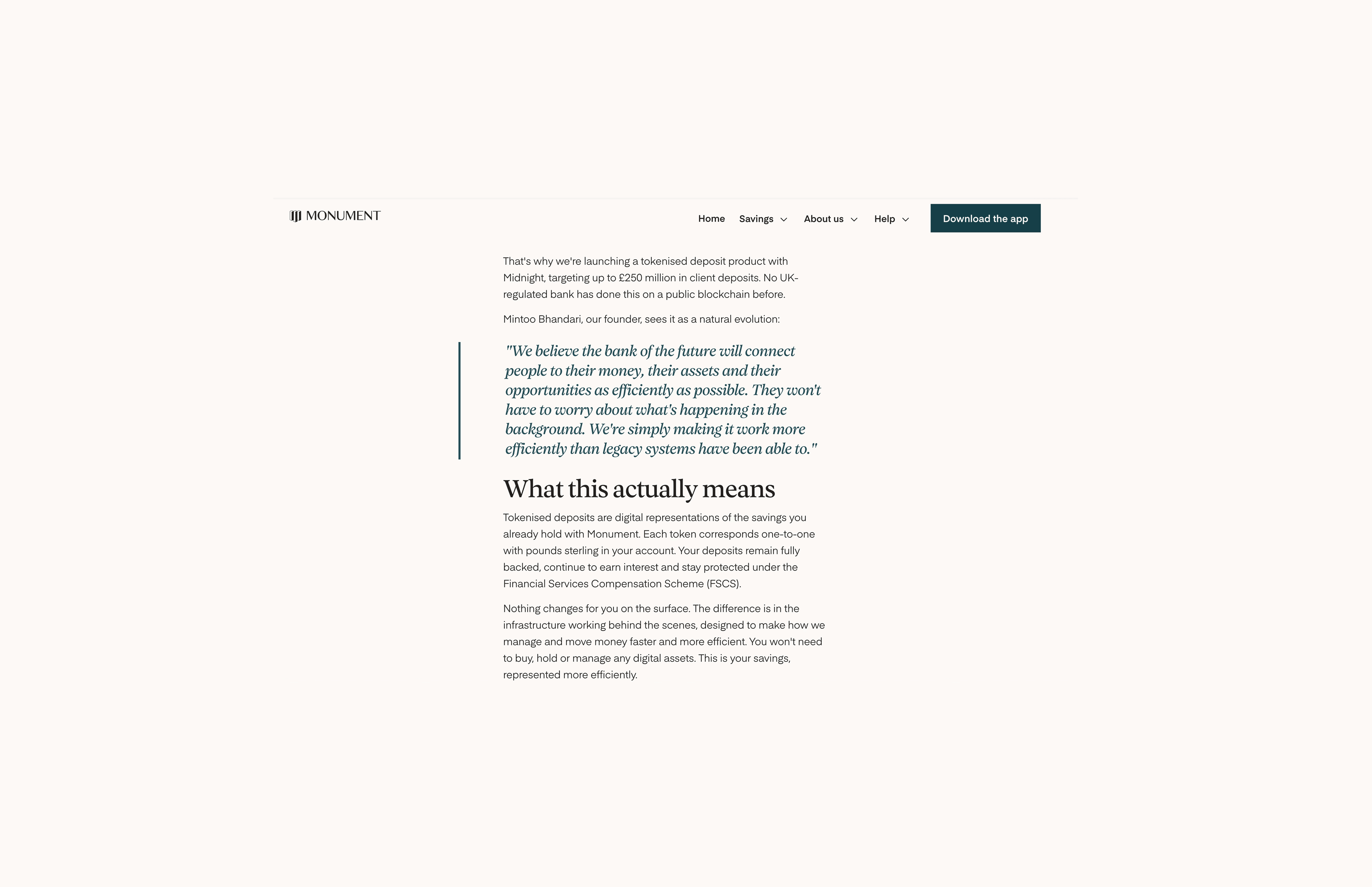
The Monument Bank partnership is the clearest available case study for how Midnight functions in practice. Syed outlined three phases:
Phase One: Monument tokenizes its cash deposits regulated, Bank of England protected on Midnight. Visible to the client and Monument only. No public visibility
Phase Two: RWA issuers are whitelisted by Monument. Clients can swap tokenized cash deposits for yield-bearing DeFi positions or fractionalized access to private equity and hedge funds
Phase Three: Lombard lending. Clients use on-chain assets as collateral to access financing without liquidating holdings.
Syed used a direct analogy for phase three: "Elon Musk bought Twitter, not by selling Tesla, but by leveraging his Tesla shares as collateral. That capability, previously accessible only to the ultra-wealthy, is what Lombard lending will enable."
The deeper point is not the lending mechanism itself. It is that Monument's clients never need to know Midnight exists.Syed explains how "the best technology is invisible. When you open your Amazon app or your Uber app, you don't know what it's doing. You just know the car turns up on time."
Who Midnight Is Competing With
Syed framed the competitive landscape across two existing models without naming specific products as targets.
On one hand, Syed described networks that "have done a great job in showcasing that zero-knowledge proofs can work" but "encountered problems with regulators and institutions, because nobody knows who's behind the transaction. KYC, AML issues that can come about because of that." On the other hand, private chains solve confidentiality but at a cost.
As Syed put it, they are "siloed" and "permissioned" meaning a central party controls who can access, build, or transact on the network. In his view, that recreates the centralized systems blockchain was built to move beyond.
Midnight's position is what Syed called a "private permissionless" network. No single operator controls access or visibility. No single party sees all transaction data. The network remains open to any builder, and applications can be fully compliant by design.
Syed added "I don't have authority to stop people using it, building on it. I cannot see what people are doing on it."
Minotaur: The Consensus Upgrade That Is Not Live Yet
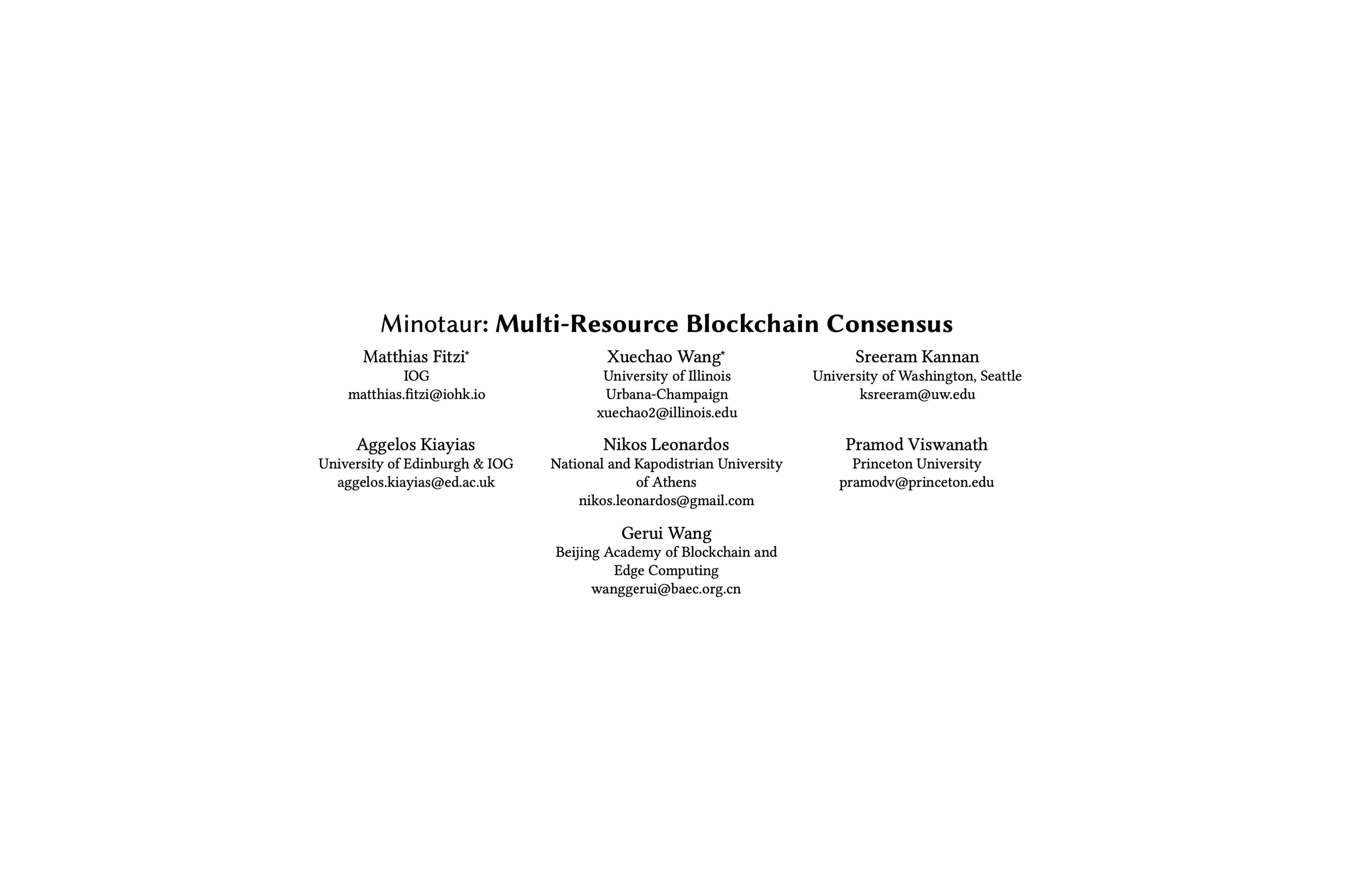
Minotaur is a hybrid proof-of-work and proof-of-stake consensus mechanism in development at Input Output Global. It is not live at Midnight. The current Midnight network runs on proof-of-stake, using Cardano's Stake Pool Operators for block production.
Syed was direct: "It is coming. It is not live yet."
Syed explained the concept directly: "Any network, any token should be able to participate in validation within the Midnight network. It shouldn't just be confined to Midnight users. We want to be cooperative, not only in our tokenomics, but in our consensus mechanisms."
Syed confirmed: "We brought in 13 federated node operators before we go to full decentralized validation and consensus. Those node operators include large institutions like Google Cloud, MoneyGram, and AlphaTon for the Telegram group."
Public records at mainnet launch confirmed nine operators including Google Cloud, MoneyGram, Worldpay, and Vodafone's Pairpoint, with the full roster expected to expand ahead of full permissionless validation.
Midnight in 2026: Macro Headwinds and the Adoption Timeline
Syed did not claim the macro environment is clean. When asked whether a bear market was the right time to launch, he challenged the premise without dismissing it.
"There's never a perfect time. But you have to have absolute belief and conviction in what you're doing.”
Midnight carries the same risks any infrastructure project faces in a difficult market:
Adoption timelines: Building takes longer when capital is scarce and developer attention is pulled in every direction
Unlock pressure: The Glacier Drop runs through December 2026. New supply enters the market on a fixed schedule regardless of what gets built.
Syed cited over 100 ecosystem partners, a live regulated banking partnership, and a developer community that produced someone who wrote a book about Midnight before it launched called “Midnight in Crypto: Rational Privacy for the Digital Age” by John Greene. The network launched with a federated validator set, nine confirmed at mainnet, with Syed referencing 13 in conversation at Consensus Miami.
Whether that is enough to sustain momentum through the unlock cycle is what the rest of 2026 will determine.
Conclusion
Syed's argument is consistent throughout. Privacy is not the product. It is the infrastructure layer that makes real products possible on blockchain.
"Privacy is not the end product. It's the means to an end product."
Monument Bank is the first concrete attempt to prove that at a regulated institutional level. The unlock overhang clears in December 2026. What gets built before then is what matters. For readers wanting to understand how NIGHT and DUST underpin the infrastructure Syed described, the full breakdown is available in the Midnight explainer.
FAQ
Why is privacy infrastructure important for institutional blockchain adoption according to Fahmi Syed?
Syed argues that institutions cannot accept permanent public exposure of wallet balances, transaction histories, and asset positions. He believes mass adoption requires privacy similar to traditional finance, where transactions and records are only visible to relevant parties, not to the general public or AI bots that could dox users.
Is Midnight a Cardano Layer 2 or its own blockchain?
Midnight is its own Layer 1 blockchain and a partner chain to Cardano, not a layer built on top. The NIGHT token is a Cardano asset that provides access and governance for Midnight, and Cardano’s validator network secures Midnight, but the chains are separate.
How does Midnight’s design address regulatory and compliance concerns?
Midnight separates privacy from the token itself and enables selective disclosure through its ledger and Compact smart contracts. Transactions can be private between a client and an institution like Monument, but the institution can choose to disclose relevant data to compliance teams or regulators, allowing various states and shades of privacy.
What are the three phases of Monument Bank’s roadmap on Midnight?
Phase One tokenizes Monument’s Bank of England–protected cash deposits on Midnight, visible only to the client and Monument. Phase Two allows Monument-whitelisted RWA issuers so clients can swap tokenized cash for yield-bearing DeFi or fractionalized private equity and hedge fund access. Phase Three introduces Lombard lending, letting clients use on-chain assets as collateral to access financing without selling their holdings.
Disclaimer
The information provided in this article is for informational purposes only. It is not intended to be, nor should it be construed as, financial advice. We do not make any warranties regarding the completeness, reliability, or accuracy of this information. All investments involve risk, and past performance does not guarantee future results. We recommend consulting a financial advisor before making any investment decisions.
More like this


Written by

Andrew Kamsky
Andrew Kamsky is a Bitcoin analyst. He spent a decade in traditional finance across a Big Four firm and a listed fintech bank before going deep on Bitcoin full-time.