












Quick summary
Bitcoin salaries are growing for tech workers, creators, and freelancers using platforms like Cryptogrind, LaborX
To manage volatility, allocate only part of income, use bucketed wallets, and automate conversions
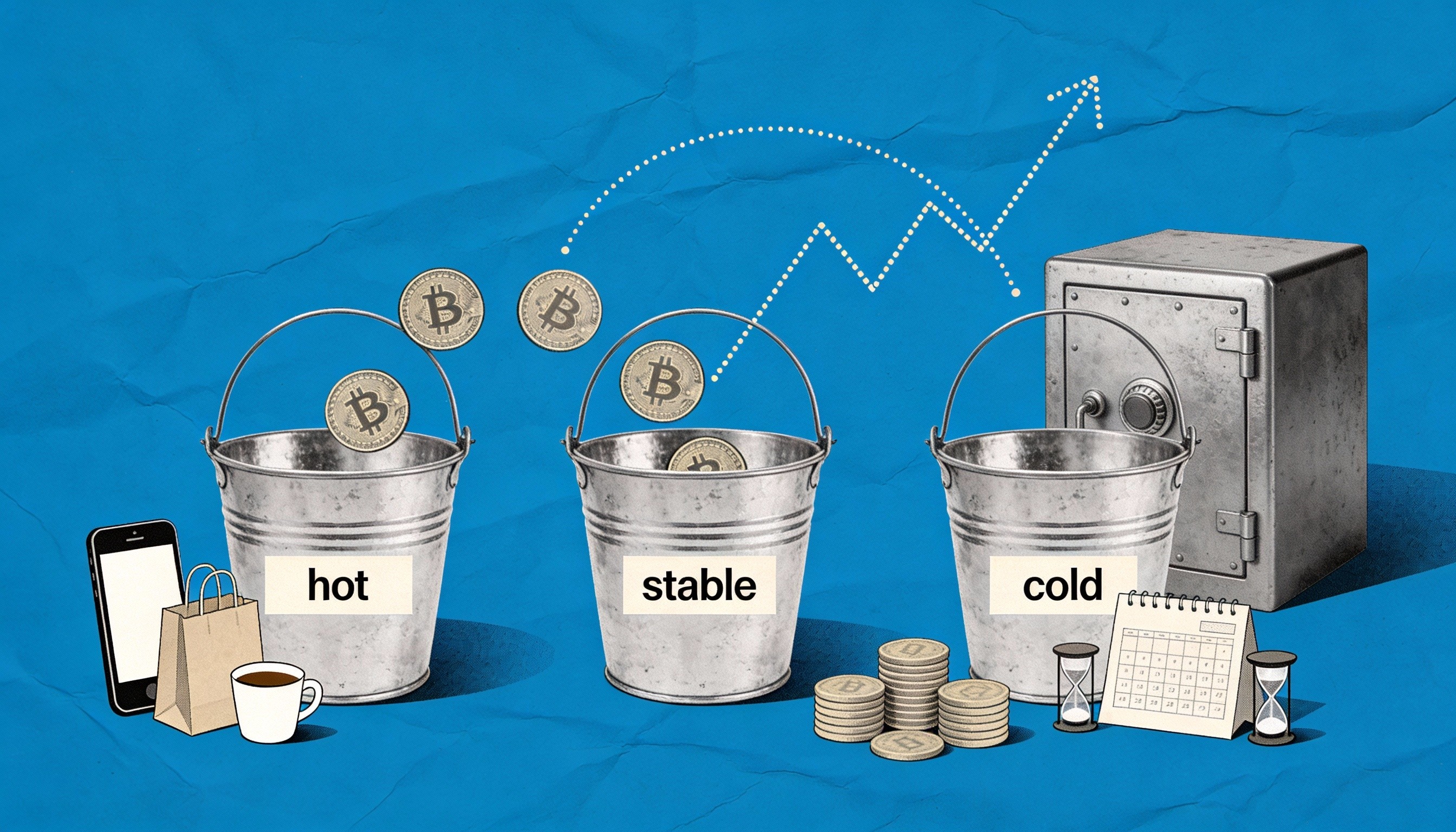
Use hot wallets for spending, cold wallets for savings, and stablecoin wallets for bills
Bitcoin income is taxable, demanding detailed records, use of tax software, security practices, and hardware wallets
The first step is securing income in Bitcoin. Tech roles lead the pack, with blockchain developers, cybersecurity experts, and software engineers commonly paid in BTC. The opportunity extends far beyond coding.
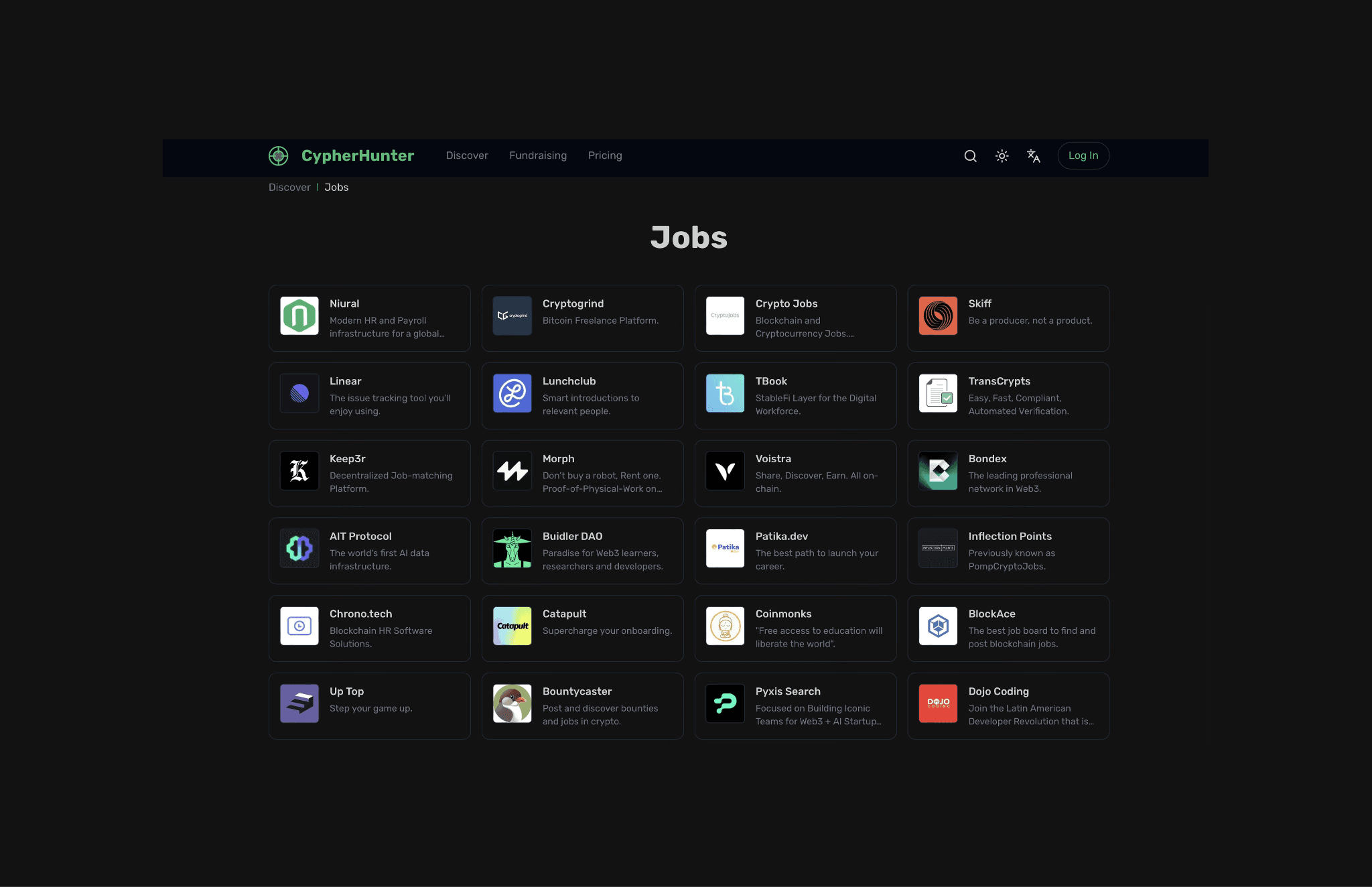
Digital artists are selling NFTs for Bitcoin, content creators accept BTC payments through platforms like Cryptogrind, and even gamers earn cryptocurrency through play-to-earn models on platforms like Enjin.
For traditional employees wanting Bitcoin exposure, services like Bitwage let you convert part or all of an individual's salary into Bitcoin automatically. Freelancers have dedicated marketplaces like LaborX that specialize in cryptocurrency payments, eliminating the friction of international wire transfers and currency conversions.

Managing the Volatility Reality
Bitcoin's price swings are the elephant in the room. A salary worth $5,000 today could be $4,200 next week or $5,800. The solution?
Use a staged conversion strategy instead of going all-in at once. This is why having a basic understanding of bitcoin technical analysis matters. It helps identify when and where to set limit buy orders at advantageous prices, areas where Bitcoin historically finds support.
Technical analysis helps yet it is important to keep in mind:
Not to go all-in immediately
Buy fear, not greed
Sell strength selectively, not emotionally
This framework is discussed in Coinjuice ebook.
A Simple Sustainable Bitcoin Allocation Strategy
The goal isn't perfect timing. It's consistency, risk control, and staying solvent long enough to benefit from long-term upside. Some strategies to help deal with volatility:
Start with a partial allocation: Allocate 10–30% of income generated to Bitcoin and keep the rest in fiat or stablecoins like USDC for essential expenses.
Use the bucket system: Keep a hot wallet for daily spending, stablecoins for monthly bills, and cold storage for long-term Bitcoin savings.
Plan conversions, don’t react: Convert Bitcoin to fiat during price strength for upcoming expenses and avoid panic-selling during dips.
Reduce friction: Automate conversions and optimize fees to save time and money over the year.
If you want a simple and effective way to learn how to catch local bottoms and maximize wage-to-Bitcoin conversion, without leverage, check out our How to Trade Without Leverage 90-minute ebook backed by 8 years of trades adopting one single technique.
Choosing the Right Wallet for Each Bucket
Not all Bitcoin wallets are designed for the same job. Separating hot and cold storage improves security, usability, and peace of mind, especially when you’re living on a Bitcoin salary.
Hot wallets (daily spending): Mobile or desktop wallets connected to the internet, ideal for small balances and everyday payments where speed and convenience matter most.
Cold wallets (long-term savings): Offline or hardware wallets designed for maximum security, best suited for holding larger Bitcoin balances you don’t plan to touch frequently.
Stablecoin wallets (monthly bills): Wallets or accounts that support USDC or similar stablecoins, used to manage predictable expenses like rent, utilities, and subscriptions.
The Tax Headache (And How to Handle It)
Bitcoin income isn't a tax loophole, it's taxable earnings. Most jurisdictions treat it as property, meaning the holder owes capital gains tax when sold (under specific conditions), plus income tax when you receive it. This gets complicated fast.
Keep meticulous records of every transaction.
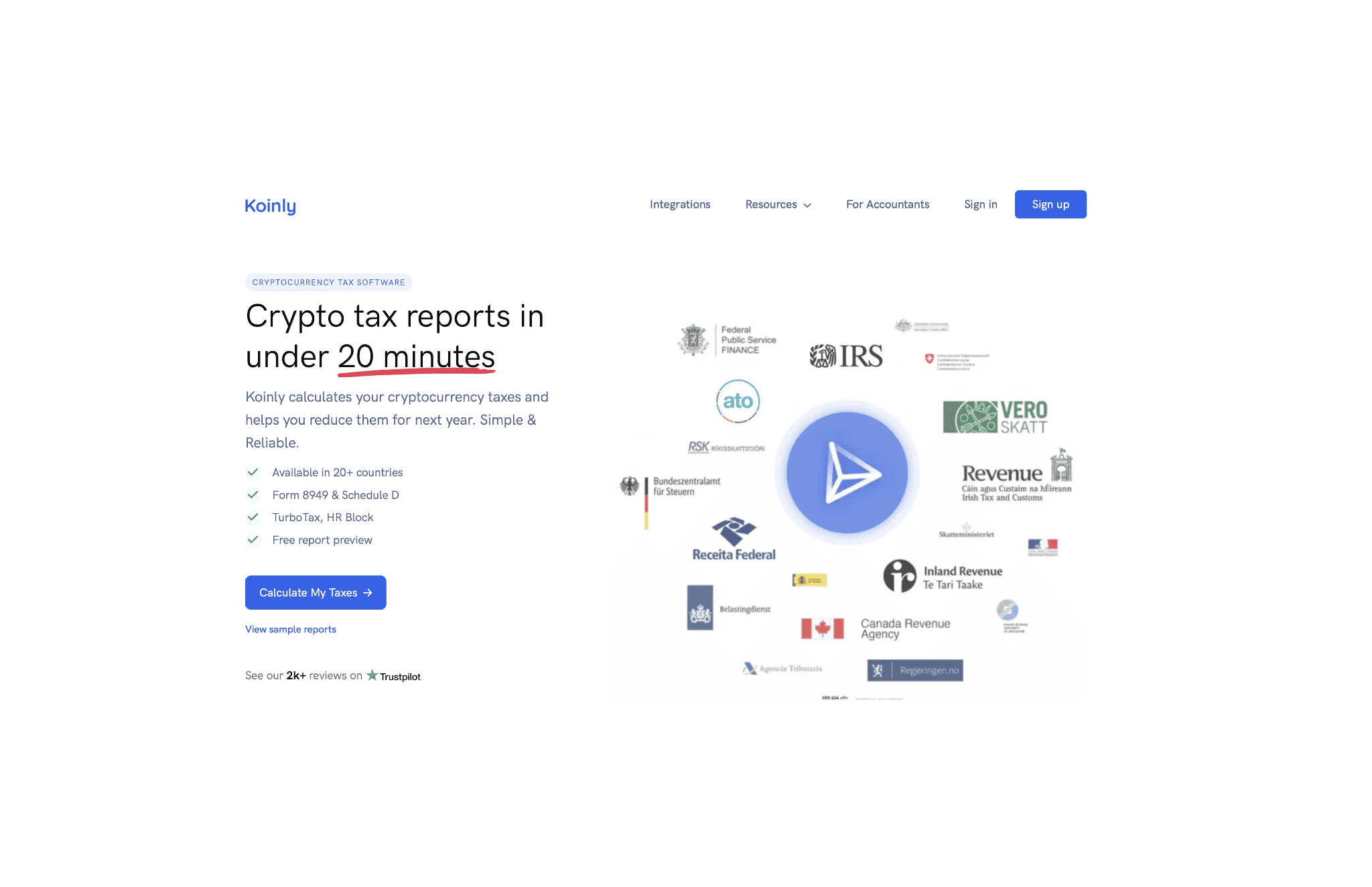
Crypto tax software like Koinly or CoinTracker can automate this nightmare. Better yet, consult a crypto-savvy accountant before the first tax season. The peace of mind is worth the investment.
Essential Tools and Security
Use hardware wallets like Ledger or Trezor for significant holdings, never leave large amounts on exchanges. Enable two-factor authentication everywhere. For daily transactions, Lightning Network wallets offer near-instant payments with minimal fees, making Bitcoin practical for coffee or groceries.
Back up the seed phrases in multiple secure locations.
Losing access means losing access to the money permanently.
Conclusion
Living on Bitcoin in 2026 is feasible but demands financial discipline and technological literacy. Start with a hybrid approach, prioritize security, stay tax-compliant, and build a Bitcoin allocation gradually. The freedom of borderless, censorship-resistant income is real but it comes with responsibility.
Of course, earning in Bitcoin is only half the equation. The other half?
Choosing the right city where your digital currency actually functions as money. Let's explore the global destinations where Bitcoin isn't just accepted, it's celebrated.
FAQ
What kinds of jobs or platforms allow you to earn income in Bitcoin?
Blockchain developers, cybersecurity experts, and software engineers are commonly paid in BTC. Digital artists sell NFTs for Bitcoin, content creators accept BTC through platforms like Cryptogrind, and gamers earn cryptocurrency through play-to-earn models on platforms like Enjin. Traditional employees can use services like Bitwage to convert part or all of their salary into Bitcoin, and freelancers can use marketplaces like LaborX that specialize in cryptocurrency payments.
How can you manage Bitcoin’s price volatility when being paid in BTC?
Instead of going all-in, allocate only 10–30% of income to Bitcoin and keep the rest in fiat or stablecoins like USDC for essential expenses. Use a bucket system with a hot wallet for daily spending, stablecoins for monthly bills, and cold storage for long-term savings. Plan conversions by selling Bitcoin during price strength for upcoming expenses, avoid panic-selling during dips, and reduce friction by automating conversions and optimizing fees.
What tools and wallets are recommended for using and storing a Bitcoin salary?
Use hot wallets—mobile or desktop wallets connected to the internet—for small balances and everyday payments. Use cold wallets—offline or hardware wallets—for larger, long-term Bitcoin savings. Keep stablecoins like USDC in wallets or accounts dedicated to predictable monthly expenses. For significant holdings, use hardware wallets like Ledger or Trezor and avoid leaving large amounts on exchanges. Enable two-factor authentication everywhere, use Lightning Network wallets for fast, low-fee daily payments, and back up seed phrases in multiple secure locations.
How is Bitcoin income treated for taxes, and how should you prepare?
Bitcoin income is taxable earnings. Most jurisdictions treat Bitcoin as property, which can create capital gains tax when it is sold, in addition to income tax when you receive it. Because this can get complicated, you should keep meticulous records of every transaction, use crypto tax software like Koinly or CoinTracker to automate reporting, and consult a crypto-savvy accountant before the first tax season.
Disclaimer
The information provided in this article is for informational purposes only. It is not intended to be, nor should it be construed as, financial advice. We do not make any warranties regarding the completeness, reliability, or accuracy of this information. All investments involve risk, and past performance does not guarantee future results. We recommend consulting a financial advisor before making any investment decisions.
More like this
Written by

Andrew Kamsky
Andrew Kamsky is a Bitcoin analyst. He spent a decade in traditional finance across a Big Four firm and a listed fintech bank before going deep on Bitcoin full-time.