








Quick summary
Singapore tops the ApeX Protocol Crypto Comfort Index, outperforming the United States and Switzerland
The city-state stands out due to high crypto ownership, a dense concentration of exchanges, widespread availability of crypto debit cards, and strong integration of cryptocurrency into daily spending and real estate transactions
The United States and Switzerland also perform strongly, offering extensive networks of Bitcoin ATMs
The index further identifies Hong Kong, Canada, Australia, Brazil, Portugal, Ireland, and the Philippines as emerging crypto-friendly hubs
A study from decentralized exchange ApeX Protocol answers a more practical question: where can you actually use your crypto in daily life?
Singapore takes the top position with a near-perfect Crypto Comfort Index score of 99 out of 100, edging out the United States (97.0) and Switzerland (95.3).
What Makes Singapore #1?
The city-state isn't just bitcoin and altcoin-friendly on paper.
One in four Singaporeans (24.4%) owns digital currencies, the highest ownership rate globally. With ownership just the start. Singapore residents can swipe crypto debit cards, make everyday purchases at local businesses, and even buy real estate with digital assets. The infrastructure backs it up with 81 crypto exchanges operating in the country.
The US: Size Matters
America's runner-up position comes from sheer scale. With 39,133 Bitcoin ATMs and 166 exchanges, the US has built the world's largest bitcoin and altcoin infrastructure. While only 15.5% of Americans own Bitcoin and/or altcoins (lower than several countries on the list), monthly search interest hits 40,000 queries for "pay with crypto" showing demand is there.
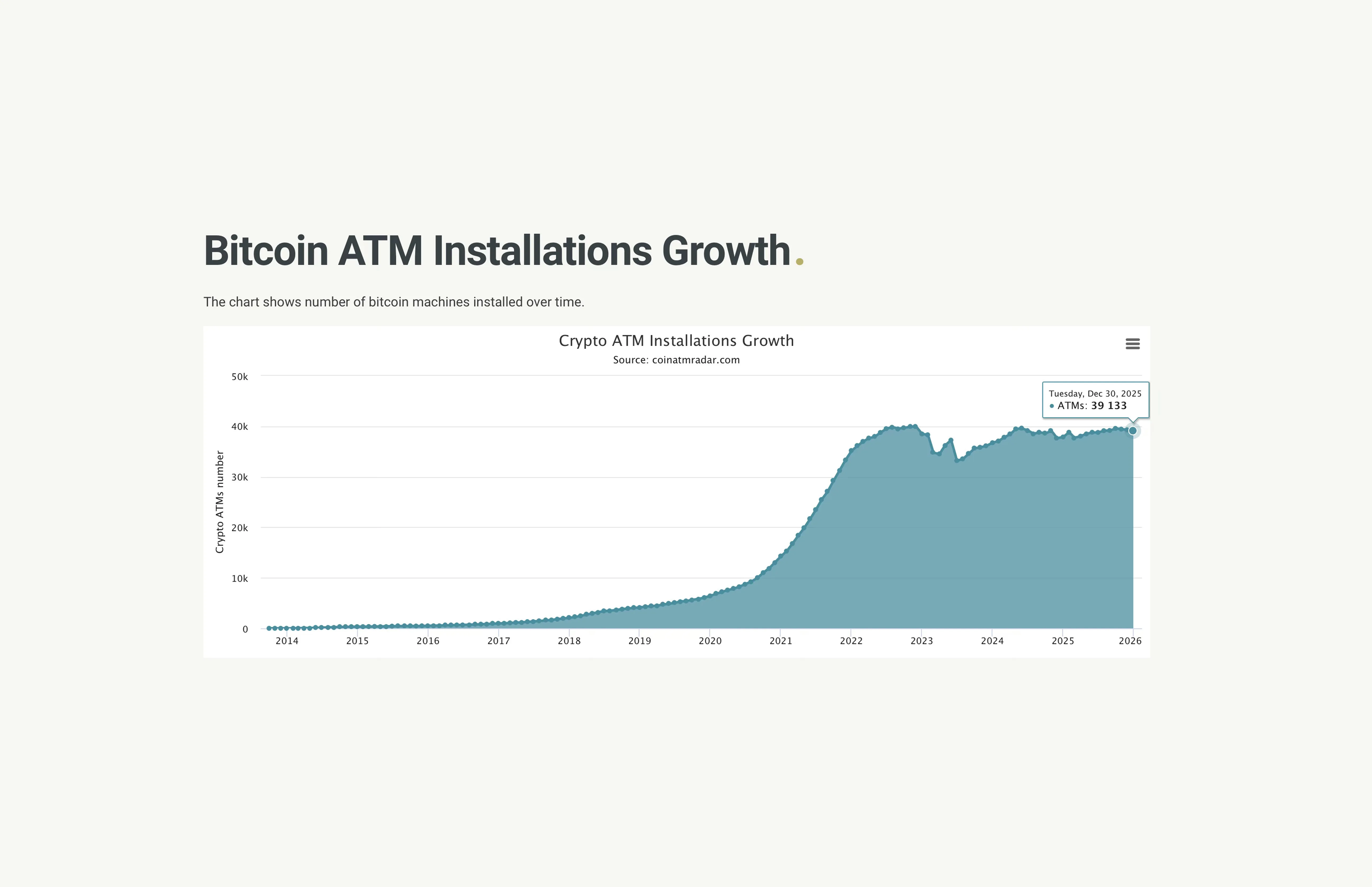
The US, like Singapore, offers the full package: “crypto” cards, local merchant acceptance, and property purchases.
Switzerland: Europe's Bitcoin Capital
Switzerland claims third place and leads Europe. Despite a smaller population, it packs 1,130 ATMs and 32 exchanges. The Swiss setup lacks widespread cryptocurrency debit cards, but compensates by allowing both everyday transactions and real estate deals in digital currencies.
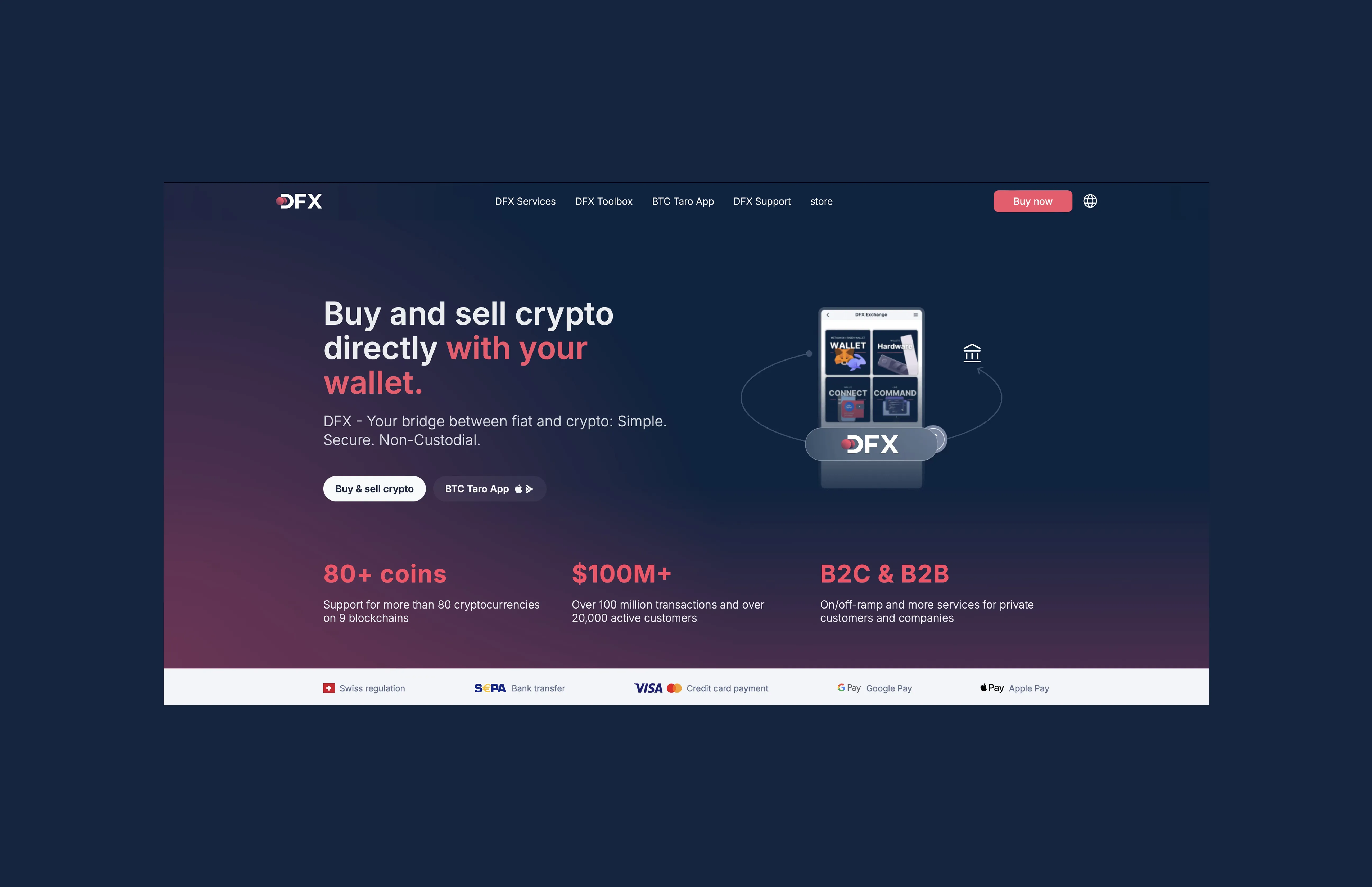
Everyday Transactions & Payments:
SPAR Switzerland: The first major retailer to implement Bitcoin payments nationwide through the Lightning Network and accepts stablecoins via DFX.swiss's OpenCryptoPay solution.
GoCrypto:Developed a POS system processing crypto transactions in 4-6 seconds on Lightning Network, onboarding merchants in Lugano including McDonald's as part of the Plan B initiative.
Bitcoin Suisse: Offers Bitcoin Suisse Pay with a Merchant Hub portal for businesses to accept crypto payments and track transactions Bitcoin Suisse.
The Methodology
ApeX Protocol built an index using seven factors including: ownership rates, ATMs per capita, local exchanges, search interest in crypto payments, crypto debit card availability, transaction options, and real estate purchase possibilities. Each country scored on a 0-100 scale.
Rounding out the top 10: Hong Kong (93.3), Canada (90.1), Australia (88.1), Brazil (80.9), Portugal (79.1), Ireland (76.5), and the Philippines (73.5).
ApeX Protocol: Young People Driving Adoption
"Young people are driving crypto adoption while governments struggle to keep pace," an ApeX Protocol spokesperson noted. "With major financial institutions now heavily invested, widespread adoption is inevitable."
Institutions are increasingly positioning around the view that countries with flexible regulatory frameworks are more likely to emerge as global digital finance hubs, drawing sustained investment and specialized talent for the 2030-2040 years to come.
The data points in the same direction: the strongest performers share a clear set of characteristics.
Clear legal frameworks: Well-defined regulations that give businesses and users confidence to operate and build
Strong infrastructure: Widespread access to ATMs, exchanges, and reliable payment rails
Real-world utility: The ability to use Bitcoin for payments and everyday transactions, not just long-term holding
As Bitcoin and altcoins move beyond pure speculation, adoption is increasingly measured by practical use. These ten countries stand out by enabling cryptocurrency technology to function where people actually live, work, and transact.
Conclusion
Singapore didn't reach the top by accident. It combined smart regulation, widespread merchant adoption, and genuine consumer demand. The result: a place where buying coffee with Bitcoin is as normal as swiping a credit card.
The question of whether Bitcoin and altcoins will become part of everyday commerce is no longer theoretical it’s already unfolding in real time in places like Singapore, the United States, and Switzerland.
If you found this article useful and want to better navigate market volatility as adoption accelerates, our How to Trade Without Leverage eBook walks you through reading market swings and spotting high-probability entry points with a disciplined, risk-aware approach.
FAQ
Which countries rank in the top three on the Crypto Comfort Index and what are their scores?
Singapore ranks first with a score of 99 out of 100, the United States is second with 97.0, and Switzerland is third with 95.3.
Why is Singapore considered the best country to live on Bitcoin in 2025?
Singapore has the highest digital currency ownership rate at 24.4%, supports crypto debit cards, everyday purchases at local businesses, and real estate purchases with digital assets, backed by 81 crypto exchanges.
What characterizes the United States’ crypto infrastructure and usage?
The United States has 39,133 Bitcoin ATMs and 166 exchanges, offers crypto cards, local merchant acceptance, and property purchases, with 15.5% of Americans owning crypto and about 40,000 monthly searches for “pay with crypto.”
How was the Crypto Comfort Index built, and which countries complete the top 10?
The index uses seven factors: ownership rates, ATMs per capita, local exchanges, search interest in crypto payments, crypto debit card availability, transaction options, and real estate purchase possibilities. After Singapore, the US, and Switzerland, the top 10 includes Hong Kong (93.3), Canada (90.1), Australia (88.1), Brazil (80.9), Portugal (79.1), Ireland (76.5), and the Philippines (73.5), which ranks 10th.
Disclaimer
The information provided in this article is for informational purposes only. It is not intended to be, nor should it be construed as, financial advice. We do not make any warranties regarding the completeness, reliability, or accuracy of this information. All investments involve risk, and past performance does not guarantee future results. We recommend consulting a financial advisor before making any investment decisions.
More like this

Written by

Andrew Kamsky
Andrew Kamsky is a Bitcoin analyst. He spent a decade in traditional finance across a Big Four firm and a listed fintech bank before going deep on Bitcoin full-time.