






Quick summary
Article prices six-month October–April long lets across ten Sardinian towns in satoshis
Eight of ten towns cost less monthly than mid-range apartments in Lisbon, Barcelona, London
Nuoro is cheapest, Porto Cervo priciest; Nuoro-to-Porto Cervo cost ratio is 2.7x
Costs use fixed utilities, transport, Cagliari-based food basket, and live long-let rent listings
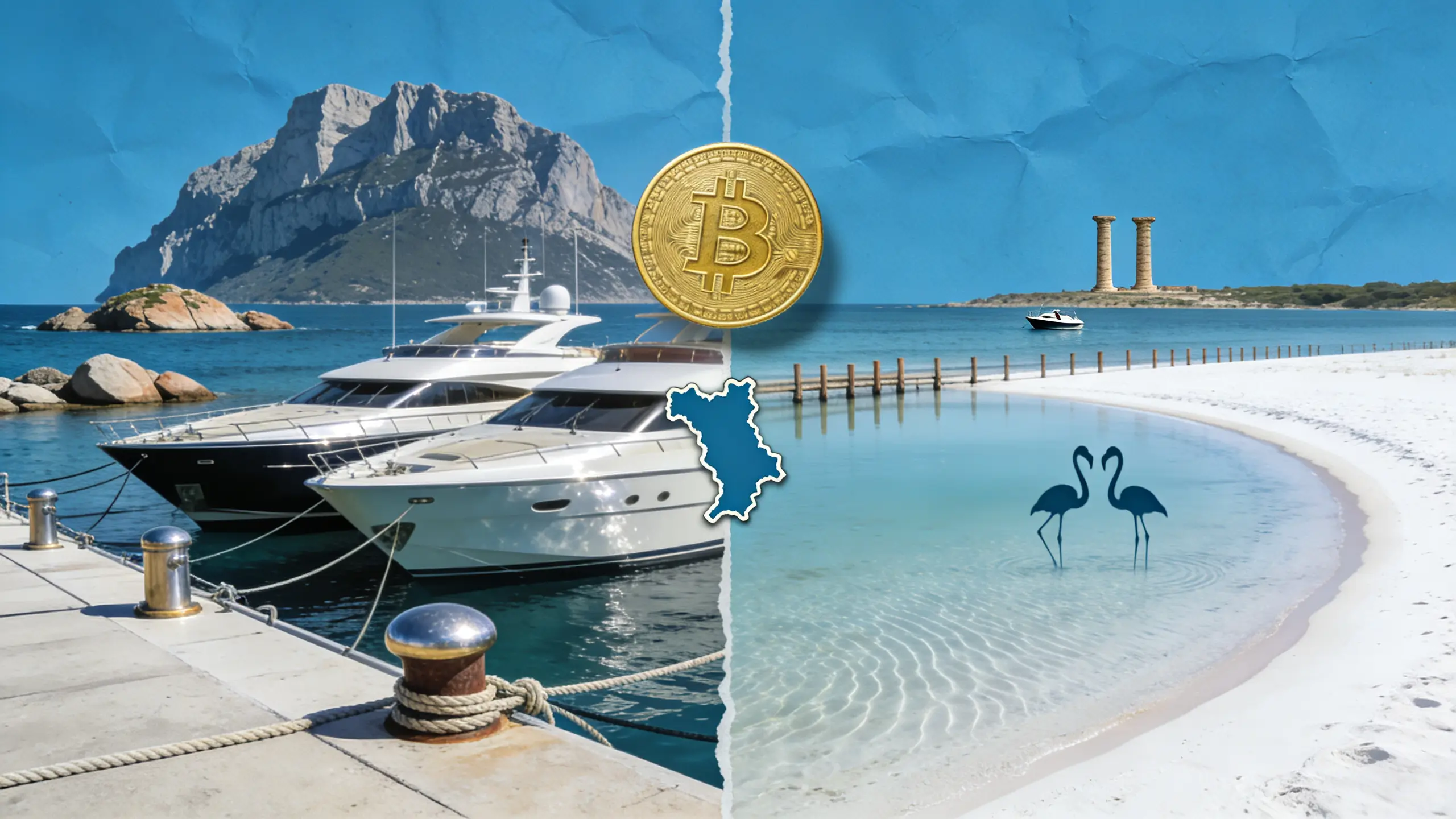
Most people hear Sardinia and picture Porto Cervo. Porto Cervo is not Sardinia. It is one marina on an island of 24,000 square kilometres, most of which sits empty, walkable, and overlooked. When the sat ruler prices Sardinia town by town on a six-month long let — rent, utilities, groceries, and transport for a couple from October through April — the gap within a single island turns out to be larger than the gap between Bansko and Verbier on the ski article.
This article prices ten Sardinian towns on a 6-month resident basket using BTC/USD $67,036.21 and EUR/USD 1.162 at time of sourcing, 3 June 2026. The result is 1,733.4 satoshis per euro — the conversion rate applied to every figure in this article.
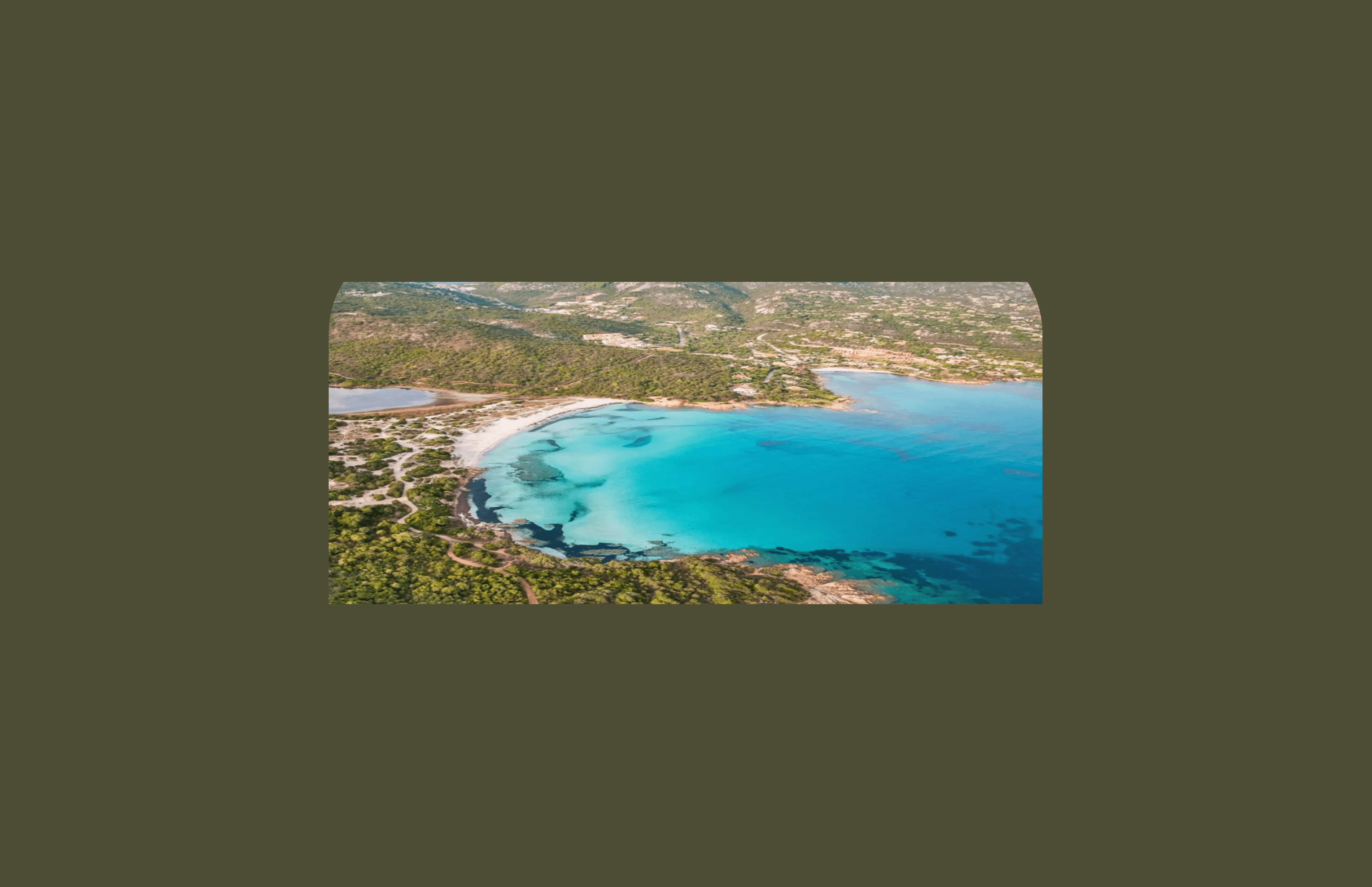
Why Sardinia Reads as Expensive (And Why the Numbers Disagree)
Sardinia is an island consistently marketed as expensive.
Eight of the ten towns priced here cost less per month than a mid-range apartment in Lisbon, Barcelona, or London — on a basket that includes food, utilities, and transport, not just rent.
The seasonal framing matters. This article covers October through April, on a 6-month transitorio contract. That is the expat and remote worker window .
6-Month Cost of Living in Sardinia: Cheapest to Most Expensive
Furnished 2-bed apartment + utilities + groceries and eating out + local transport, couple, October–April:
# | Town | Region | Rent/month | Food/month | Monthly Total | 6-Month (€) | 6-Month Sats | Source |
1 | Nuoro | Interior | €425 | €520 | €1,149 | €6,894 | 11,950,001 | ✅ / ~ |
2 | Oristano | West coast | €450 | €520 | €1,174 | €7,044 | 12,210,010 | ✅ / ~ |
3 | Sassari | North | €650 | €560 | €1,414 | €8,484 | 14,706,094 | ✅ / ~ |
4 | Bosa | NW coast | €700 | €540 | €1,444 | €8,664 | 15,018,104 | ✅ / ~ |
5 | Cagliari | Capital, South | €750 | €600 | €1,554 | €9,324 | 16,162,143 | ✅ / ~ |
6 | Olbia | NE Gateway | €800 | €580 | €1,584 | €9,504 | 16,474,153 | ✅ / ✅ |
7 | Alghero | NW coast | €1,100 | €580 | €1,884 | €11,304 | 19,594,258 | ✅ / ~ |
8 | La Maddalena | Island / NE | €1,300 | €600 | €2,104 | €12,624 | 21,882,335 | ✅ / ~ |
9 | Villasimius | SE resort | €1,500 | €620 | €2,324 | €13,944 | 24,170,412 | ~ / ~ |
10 | Porto Cervo | Costa Smeralda | €2,200 | €700 | €3,104 | €18,624 | 32,282,684 | ~ / ~ |
Utilities (€130/month) and transport (€74/month) are fixed across all rows.
BTC/USD: $67,036.21 | EUR/USD: 1.162 | 1,733.4 sats per euro | Sourced: 3 June 2026
Source quality flags:
✅ Confirmed operator or official published URL
~ Estimated from regional data (ISTAT / Numbeo Cagliari applied)
⚠️ Range applied, not a single listing confirmed
Cagliari Basket Breakdown
Cagliari is the benchmark: the only town with full Numbeo data, the capital, and the anchor for all food estimates applied island-wide.
Component | Monthly (€) | 6-Month (€) | 6-Month Sats |
Rent, 2-bed furnished | €750 | €4,500 | 7,800,262 |
Utilities (electricity, water, internet) | €130 | €780 | 1,352,045 |
Groceries (self-catering 70% of food) | €420 | €2,520 | 4,368,147 |
Eating out (30% of food spend) | €180 | €1,080 | 1,872,063 |
Local transport (2 monthly passes) | €74 | €444 | 769,626 |
Total | €1,554 | €9,324 | 16,162,143 |
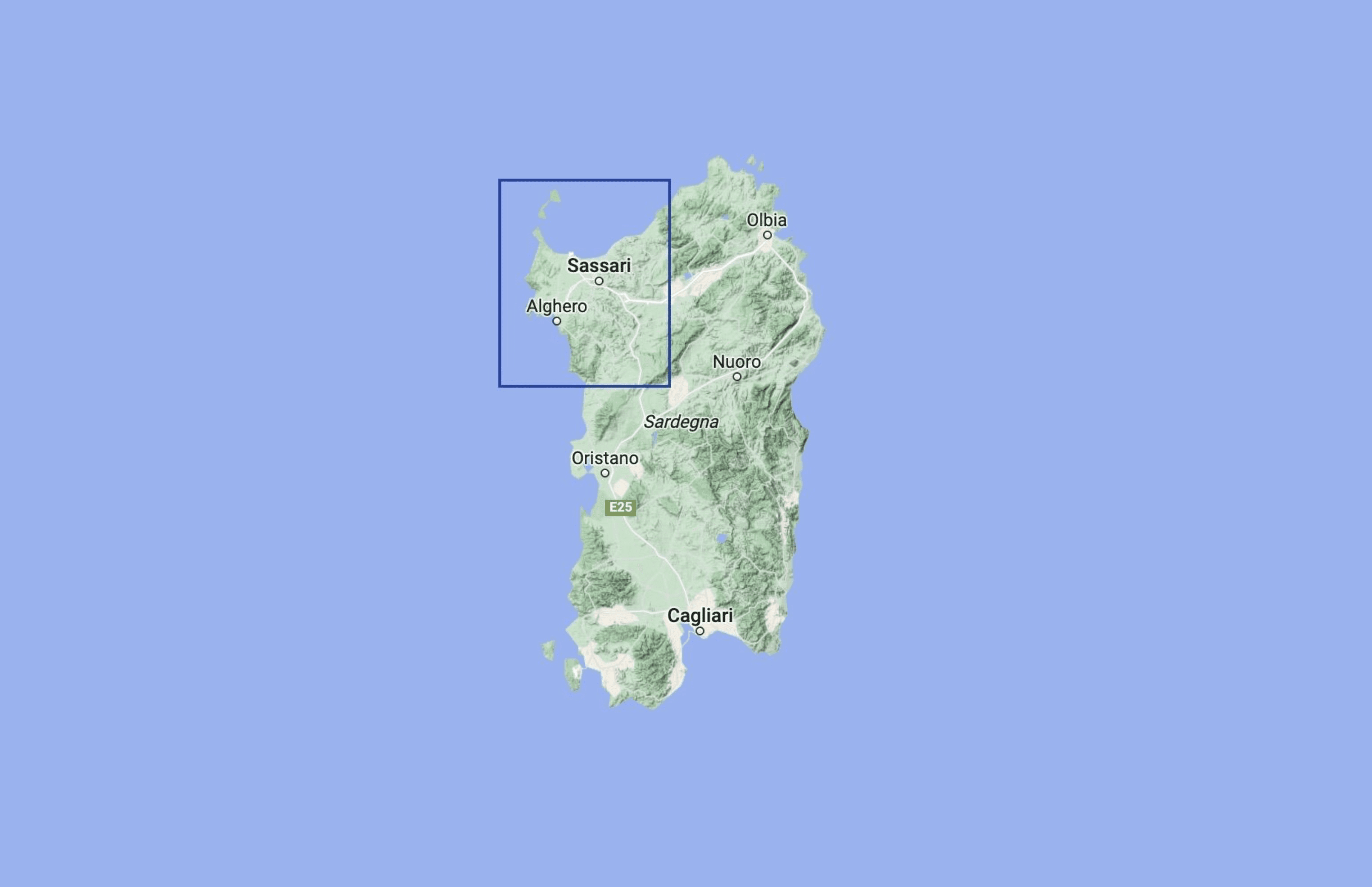
How Far Does 1 BTC Go in Sardinia
1 BTC = €57,690 at this sourcing price. Expressed in months of the same all-in basket:
Town | Months on 1 BTC |
Nuoro | 50.2 months |
Oristano | 49.1 months |
Sassari | 40.8 months |
Bosa | 40.0 months |
Cagliari | 37.1 months |
Olbia | 36.4 months |
Alghero | 30.6 months |
La Maddalena | 27.4 months |
Villasimius | 24.8 months |
Porto Cervo | 18.6 months |
The Nuoro-to-Porto Cervo ratio is 2.7x on total 6-month cost. The duration ratio is the same: 50 months versus 19 months on 1 BTC.
What the Sat Numbers Show
Porto Cervo — 32,282,684 sats for six months
The Aga Khan built this from nothing in the 1960s — a planned coastal resort with no straight lines, no flat roofs, and no through traffic, designed entirely around the idea that wealth should look effortless.
Off-season reality: October through April it empties almost completely, the prices collapse relative to summer, and the architecture and coastline remain exactly as extraordinary without the superyacht crowd
The beaches: Capriccioli, Romazzino, and Liscia Ruja are among the most photographed in the Mediterranean and are walkable or a short drive from town — in October you will have them to yourself
The sat gap: The same property costs up to 86,669,578 sats for two months in August. The off-season long let is 32,282,684 for six.
Villasimius — 24,170,412 sats for six months
A southeast resort town that becomes a completely different place the moment summer ends — quieter, clearer, and still warm enough to swim into late October.
Diving: The marine protected area at Capo Carbonara has some of the best visibility for diving in Sardinia, and from September the tourist boats stop running and you have it to yourself
The beaches: Spiaggia del Riso, Porto Giunco, and Campus are all within 15 minutes of the centre — wide white sand, shallow turquoise water, and empty from September onwards
The connection: Cagliari is 45 minutes away close enough for airport runs and city infrastructure, far enough to feel coastal and unhurried.
La Maddalena — 21,882,335 sats for six months
An island off an island, sitting inside a national park of 180 square kilometres of granite, clear water, and uninhabited islets — 20 minutes by ferry from Palau on the northeast tip of Sardinia.
The park: Budelli with its pink beach, Spargi, Santa Maria — the archipelago is one of the most protected marine environments in the Mediterranean and in winter it is entirely yours
The town: Small enough to walk end to end in 20 minutes, with a working port, a daily market, and the kind of quiet that only comes from living on an island with no through traffic and no day-trippers
The season: Off-season population drops sharply, rents drop with it, and the water stays clear and warm enough for swimming well into October.
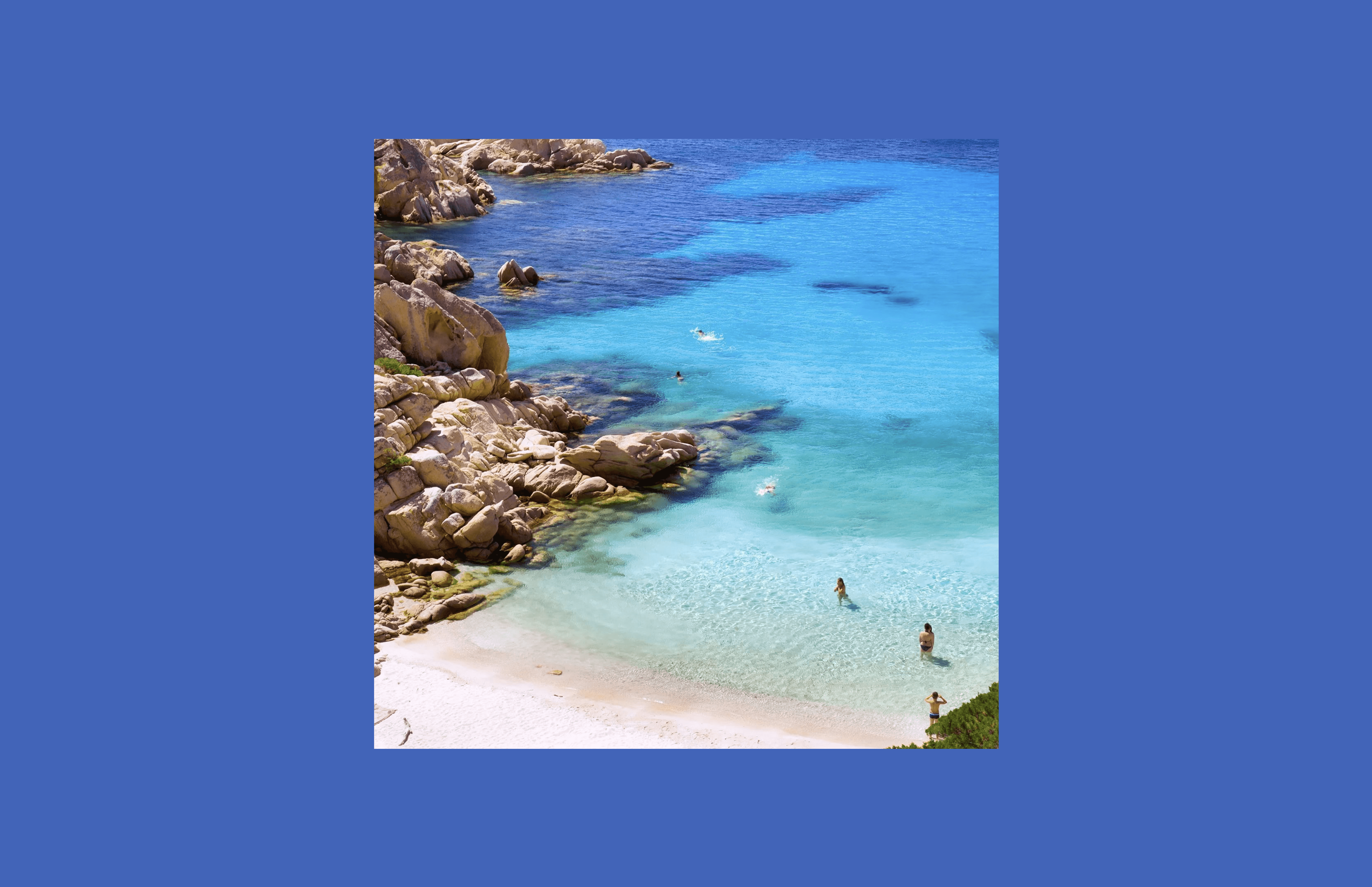
Alghero — 19,594,258 sats for six months
A Catalan Gothic town on a promontory above clear water. The architecture, the language still spoken in the old streets, and the food culture all run closer to Barcelona than Rome.
The old town: Compact, walkable, and genuinely beautiful with medieval walls, a cathedral, and a promenade above the sea that is one of the best evening walks in Italy
Grotta di Nettuno: Sea caves accessible by boat from the port or via 656 steps cut into the cliff face — one of the most dramatic natural sites on the island and largely tourist-free from October
The access: Year-round direct flights to London, Dublin, and Frankfurt, and the coastal road north to Stintino and La Pelosa — genuinely one of the finest beaches in Europe — takes 45 minutes.
Cagliari — 16,162,143 sats for six months
The capital and the benchmark — the only town in this ranking with full Numbeo data, and the one that does the most things well at the lowest friction.
The market: Mercato di San Benedetto is the largest covered market in Italy — fresh tuna, bottarga, seasonal produce, and local cheese at prices that make the food basket numbers in this article entirely believable
The castle quarter: Castello sits above the city on a hill — medieval walls, panoramic terraces, and a neighbourhood of independent restaurants and bars that is the best urban eating and drinking experience on the island
Poetto beach: A seven-kilometre stretch of white sand ten minutes from the centre by bus, with the Molentargius flamingo lagoon directly behind it — an unlikely combination that works completely.
Olbia — 16,474,153 sats for six months
Not a destination in itself but the most frictionless base on the island for anyone flying in and out regularly — the northeast gateway with the busiest airport and the best access to the most spectacular coastline.
The coast: Capriccioli, Liscia Ruja, and the beaches of Costa Smeralda are 20–40 minutes south. The granite bays around Porto Rotondo are closer still and significantly less crowded outside July and August
Tavolara: A near-vertical limestone monolith rising 564 metres from the sea, visible from the city, with a tiny inhabited village at its base and one of the best dive sites in Sardinia on its flanks
La Maddalena: Twenty minutes by ferry from Palau, which is itself 40 minutes from Olbia — making the archipelago national park a realistic day trip or weekend from a long-let base here.
Bosa — 15,018,104 sats for six months
A river town of pink, yellow, and ochre houses stacked up a hillside above the Temo — the only navigable river in Sardinia — with an Aragonese castle at the top and a wine culture in the surrounding vineyards that is entirely its own.
Malvasia di Bosa: A rare amber dessert wine made from grapes grown on the volcanic basalt slopes above the river, produced in tiny quantities by a handful of local families — the kind of thing you only find by being here for six months rather than six days
The coastal road: The drive south to Alghero along the SS105 is 45 minutes of cliffs, clear water, and no guardrails — one of the most dramatic coastal roads in Italy and entirely empty outside summer
Bosa Marina: The beach settlement at the river mouth is five minutes by bike — a long sandy strip with clear water and almost no one on it from September through May.
Sassari — 14,706,094 sats for six months
The island's second city — a university town with proper infrastructure, a medieval old quarter, and a weekly market that has been running continuously for centuries.
Corso Vittorio Emanuele: The main street of the old quarter runs through a sequence of palazzi, a Romanesque-Pisan cathedral, and a concentrated restaurant scene that punches well above Sassari's tourist profile
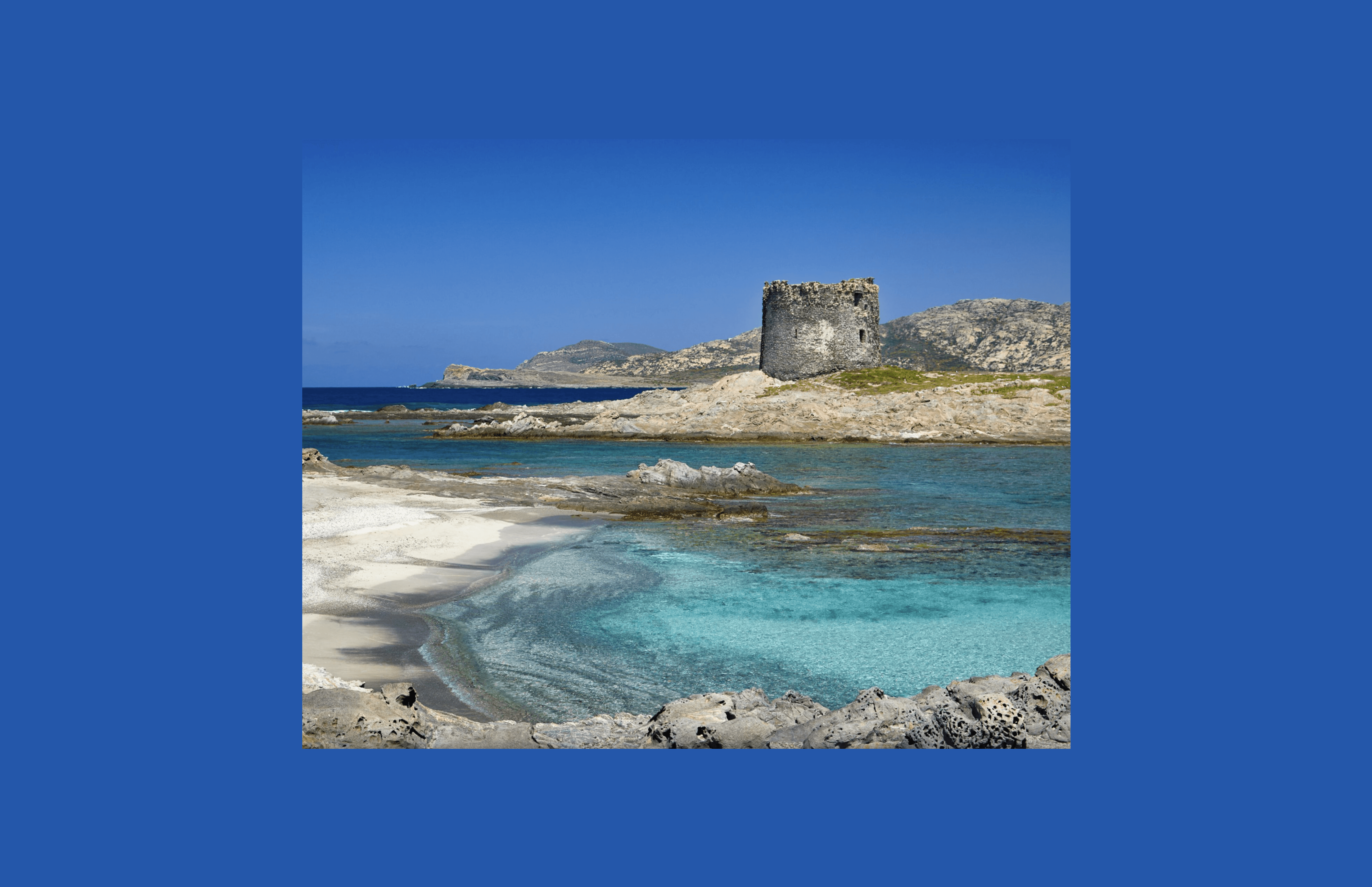
La Pelosa: The beach at Stintino — a shallow turquoise lagoon with a 16th century tower at the water's edge — is one hour north, consistently ranked among the ten best beaches in Europe, and reachable by car from a Sassari base in every season
The ferry: Direct overnight connections to Genoa and Livorno from Porto Torres, 20 minutes away — making Sassari the most continent-connected long-let base on the island for anyone who needs to move between Sardinia and mainland Europe regularly.
Oristano — 12,210,010 sats for six months
The west coast capital, gateway to the Sinis Peninsula — flat, wild, and almost entirely unknown outside Italy, with a coastline and a cultural calendar that reward anyone who stays long enough to find them.
Tharros: A Phoenician and Roman city on a headland above the sea, occupied continuously for over a thousand years and abandoned in the 11th century — the ruins sit above clear water with no fence, no crowds, and no entry fee in winter
Sa Sartiglia: The February festival of horseback jousting in elaborate silver masks and embroidered costumes is one of the most visually extraordinary events in Italy and you will be living here when it happens
The flamingos: The Stagno di Cabras lagoon directly behind the Sinis coast holds one of the largest flamingo colonies in Europe — pink, implausible, and 10 minutes from the town centre.
Nuoro — 11,950,001 sats for six months
The cheapest town in this ranking, sitting 554 metres above sea level in the Barbagia — the interior mountain region that remained effectively ungoverned until the 20th century and produced both the island's most distinctive culture and its most significant literature.
Grazia Deledda: The only Italian woman to win the Nobel Prize in Literature was born on Via Deledda in 1871. The house is a museum. The Museo Etnografico Sardo two streets away holds the best collection of traditional Sardinian costume, jewellery, masks, and weaving on the island — the kind of collection that reorients your understanding of what Sardinia actually is
Gorropu and the Supramonte: The canyon at Gorropu is one of the deepest in Europe — 500 metre walls, a riverbed accessible only on foot, and a hike that takes most of a day. The Supramonte plateau above it is free-climbing terrain with routes rated to 8c. The wild coast at Cala Luna is reachable by boat from Cala Gonone, 30 minutes east
The price: Six months all-in for a couple, including rent, food, utilities, and transport, costs less than two months in an equivalent flat in London, Amsterdam, or Zurich. The sat ruler does not editorialize. It measures.
The Sourcing Method
The Sardinian long let market does not live on Airbnb — it lives on idealista.it, sourced town by town from live transitorio listings at the time of writing.
Rent: idealista.it is the primary source for all ten towns — Italy's equivalent of Rightmove, with furnished apartments listed by monthly rate and contract type. For inland towns where listings are thinner, the investropa.com April 2026 analysis (sourced from Agenzia delle Entrate OMI data and idealista) provided the confirmed range, with the lower end applied
Food basket: Numbeo Cagliari is the primary source for all confirmed line items — restaurant meals, groceries, and utilities. ISTAT Sardegna regional indices are applied as the adjustment factor for inland towns where local market prices run below the island capital
Porto Cervo: Off-season rent is flagged ~ estimated throughout. It is the one figure in this article that would benefit from a live transitorio listing before publication, and that note is explicit here.
Why Sardinia Reads as Expensive
The reputation is built on Costa Smeralda season pricing: July and August, peak sun, maximum demand, global wealth anchored in the marina. That pricing is real. It is also confined to a narrow geographic strip and a 60-day window. The sat ruler applied here covers the other ten months, and the other 24,000 square kilometres.
Sardinia is among the most affordable long-stay destinations in the Western Mediterranean — cheaper per month than Portugal, Malta, France, Spain, and Cyprus in nine of the ten towns priced here, and across the months October through April.
Bitcoin lets you move money anywhere. It also lets you price anywhere before you go.
Sources
Rent listings — 10 towns
Rent figures are sourced from live long-let listings on idealista.it and cross-referenced against immobiliare.it and mioaffitto.it where indicated. Individual town references:
Nuoro: idealista.it — affitto appartamenti Nuoro — furnished 2-bed range €350–500/month confirmed ~
Oristano: mioaffitto.it — bilocale arredato centro Oristano — €450/month, 50m², transitorio min 6 months ✅
Sassari: idealista.it — affitto appartamenti Sassari — furnished 2-bed range €500–700/month ~
Bosa: mioaffitto.it — bilocale arredato centro Bosa — €450/month, 55m² ✅
Cagliari: casa.it — appartamento transitorio Cagliari — €750/month, 45m², contratto transitorio ✅
Olbia: idealista.it — affitto appartamenti Olbia — furnished 2-bed range €650–750/month ~
Alghero: nestoria.it — bilocale affitto Alghero — €1,100/month ✅
La Maddalena: casa.it — affitto La Maddalena — transitorio confirmed; range €1,000–1,300/month ~
Villasimius: mioaffitto.it — appartamenti affitto Villasimius — winter transitorio market thin ~
Porto Cervo: immobilsarda.com — affitto Porto Cervo — off-season transitorio; idealista.it confirms weekly peak rate €5,500, monthly peak up to €25,000 ~
Rent market context
Investropa — Updated Rents in Sardinia, January 2026 — island-wide rent band data by town tier, sourced from idealista and Agenzia delle Entrate OMI valuations
Investropa — Best Areas to Buy Property in Sardinia, April 2026 — confirms inland Nuoro/Oristano range €350–500/month
Food basket
Numbeo — Cost of Living in Cagliari, May 2026 — 448 contributor entries, February 2026 update. Primary source for all confirmed line items: inexpensive restaurant meal €20/person, mid-range dinner for two €80, grocery basket components
ISTAT — Sardegna regional statistics — regional price index applied as adjustment factor for inland towns (Nuoro, Oristano, Bosa) where local market prices run 5–10% below Cagliari benchmark
Utilities
ARERA — Valori elettricità e gas aggiornati — standard domestic electricity tariff, consumer reference page
ARERA — Delibera 98/2026, April 2026 tariff update — most recent quarterly rate adjustment at time of sourcing
ABBANOA — Tariffe idriche Sardegna — island-wide water tariff, standard couple consumption
Transport
Sardegna Mobilità — Tariffe autobus — ARST monthly pass published fares; €37/person/month applied across all towns
Bitcoin Weight and formula.
Sat cost = (EUR price ÷ BTC/EUR price) × 100,000,000. BTC/USD $67,036.21 | EUR/USD 1.162 | BTC/EUR €57,690.37 | 1,733.4 sats per euro. Sourced 3 June 2026.
FAQ
What costs are included in the 6‑month Sardinia long‑let basket priced in satoshis?
The basket includes rent for a furnished 2‑bed apartment, utilities, groceries and eating out, and local transport for a couple from October through April on a 6‑month transitorio contract.
Which Sardinian town is cheapest on the satoshi long‑let ranking and how much does six months cost there?
Nuoro is the cheapest, with a 6‑month all‑in cost of €6,894 or 11,950,001 satoshis.
How far does 1 BTC go in terms of long‑stay months in Sardinia at the stated rates?
At 1 BTC = €57,690, it covers 50.2 months in Nuoro, 49.1 in Oristano, 40.8 in Sassari, 40.0 in Bosa, 37.1 in Cagliari, 36.4 in Olbia, 30.6 in Alghero, 27.4 in La Maddalena, 24.8 in Villasimius, and 18.6 in Porto Cervo.
Why does Sardinia often seem expensive despite the satoshi-based comparison showing low long‑stay costs?
Its expensive reputation is built on Costa Smeralda peak‑season pricing in July and August, a narrow coastal strip and 60‑day window, while long‑stay prices from October through April across the wider island are much lower and make Sardinia one of the most affordable long‑stay destinations in the Western Mediterranean.
Disclaimer
The information provided in this article is for informational purposes only. It is not intended to be, nor should it be construed as, financial advice. We do not make any warranties regarding the completeness, reliability, or accuracy of this information. All investments involve risk, and past performance does not guarantee future results. We recommend consulting a financial advisor before making any investment decisions.
More like this


Written by

Andrew Kamsky
Andrew Kamsky is a Bitcoin analyst. He spent a decade in traditional finance across a Big Four firm and a listed fintech bank before going deep on Bitcoin full-time.