









Quick summary
Panel explores integrating bitcoin and real estate as collateral and cash flow, not competitors
Bassili describes bitcoin-backed mortgages letting holders borrow for down payments without selling
Cardone uses real estate funds as a Trojan horse, adding bitcoin behind familiar properties
Wankum highlights bitcoin’s liquidity versus real estate’s cash flow, noting early-stage bank adoption
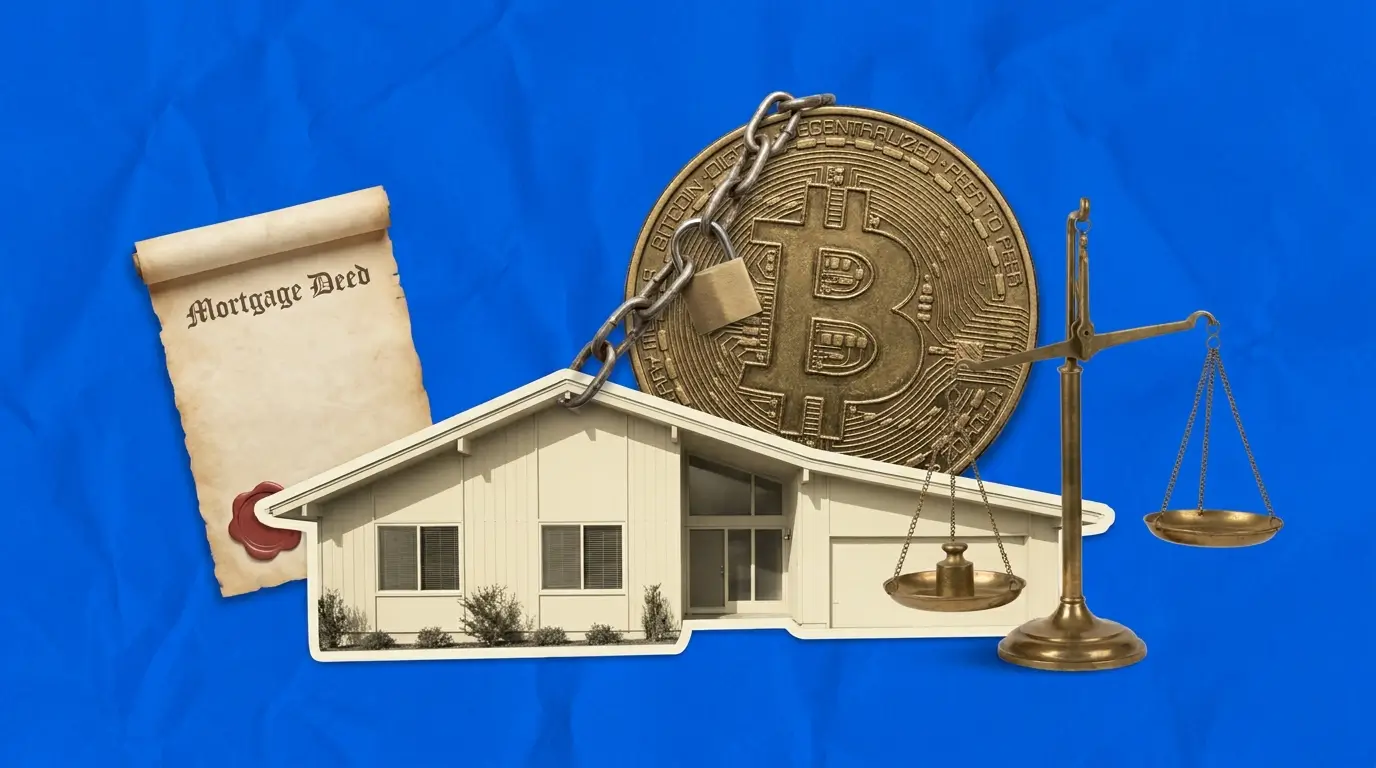
Bitcoin holders who want to buy property usually face a simple choice: sell the bitcoin to fund the deposit, or keep the bitcoin and miss the purchase. A fireside panel at the Bitcoin Treasuries Conference in New York on September 28, 2026 examined a third route, in which bitcoin and real estate work together as collateral and cash flow instead of competing for the same capital.
The session, "$500 Trillion: Bitcoin in the World's Largest Market," was moderated by Mason Borda of Standard Asset Company. It brought together Grant Cardone of Cardone Capital, Anthony Bassili of Coinbase Asset Management and Leon Wankum, author of Digital Real Estate. The panelists covered bitcoin-backed mortgages, rental income used to accumulate bitcoin, and the loan terms and regulatory gaps still limiting wider adoption. The panel's shared conclusion was that bitcoin enters real estate first as collateral, and the pitch to newcomers works best when the property leads.

Bitcoin-Backed Mortgages: A Down Payment Without Selling
Bassili, who spent more than a decade at BlackRock before joining Coinbase, opened with a personal story from 2020. He was buying a home during the pandemic, with banks closed and property prices starting to climb.
“No, I’m not going to sell my bitcoin,” Bassili said.
Instead, he used bitcoin as collateral, borrowed stablecoins through decentralised finance and used the proceeds for his down payment. He closed the following day.
At the time, the process was difficult and highly manual. Bassili would not recommend that route for most buyers. Six years later, he said, the idea has become a consumer product.
"So, I'm happy to report 6 years later, this is now a full-fledged product," he said.
Eligible Coinbase One members can pledge bitcoin for a separate down payment loan, while mortgage lender Better originates the first-lien mortgage under Fannie Mae guidelines. Bitcoin counts at a 40% advance rate, and the pledge can only be liquidated after a 60-day payment delinquency, not because of a price drop. Coinjuice's breakdown of how a bitcoin-backed mortgage works covers the full structure, including the second lien and custody requirements.
Bassili’s argument was clear. Bitcoin holders no longer have to view selling as their only way to access capital.
Bitcoin Real Estate Funds: Cardone's Trojan Horse Strategy
Cardone, whose firm the conference organisers said channels cash flow from roughly $5.3 billion in real estate into bitcoin, focused less on lending and more on marketing.
"The problem with the Bitcoin community, if I could, if I could call you guys out, it's like the way you market things that you talk to people is so bizarre," Cardone said.
Carone argued that people already understand real estate. They know a home, an apartment building, an office and rental income. They do not need a lesson in technical language before they can understand the investment case.
“You need the Trojan horse,” Cardone said.
Cash Flow First, Bitcoin Second: How the Structure Works
Cardone said his funds brought roughly 3,000 people into bitcoin over 18 months without leading with bitcoin at all. Describing his early fundraising, he noted "the more we stay focused on the real estate," the more capital came in.
The structure itself is simple:
"And what I do is add a little bit of Bitcoin to lift my cash flow, I can still pay people out every month," Cardone said.
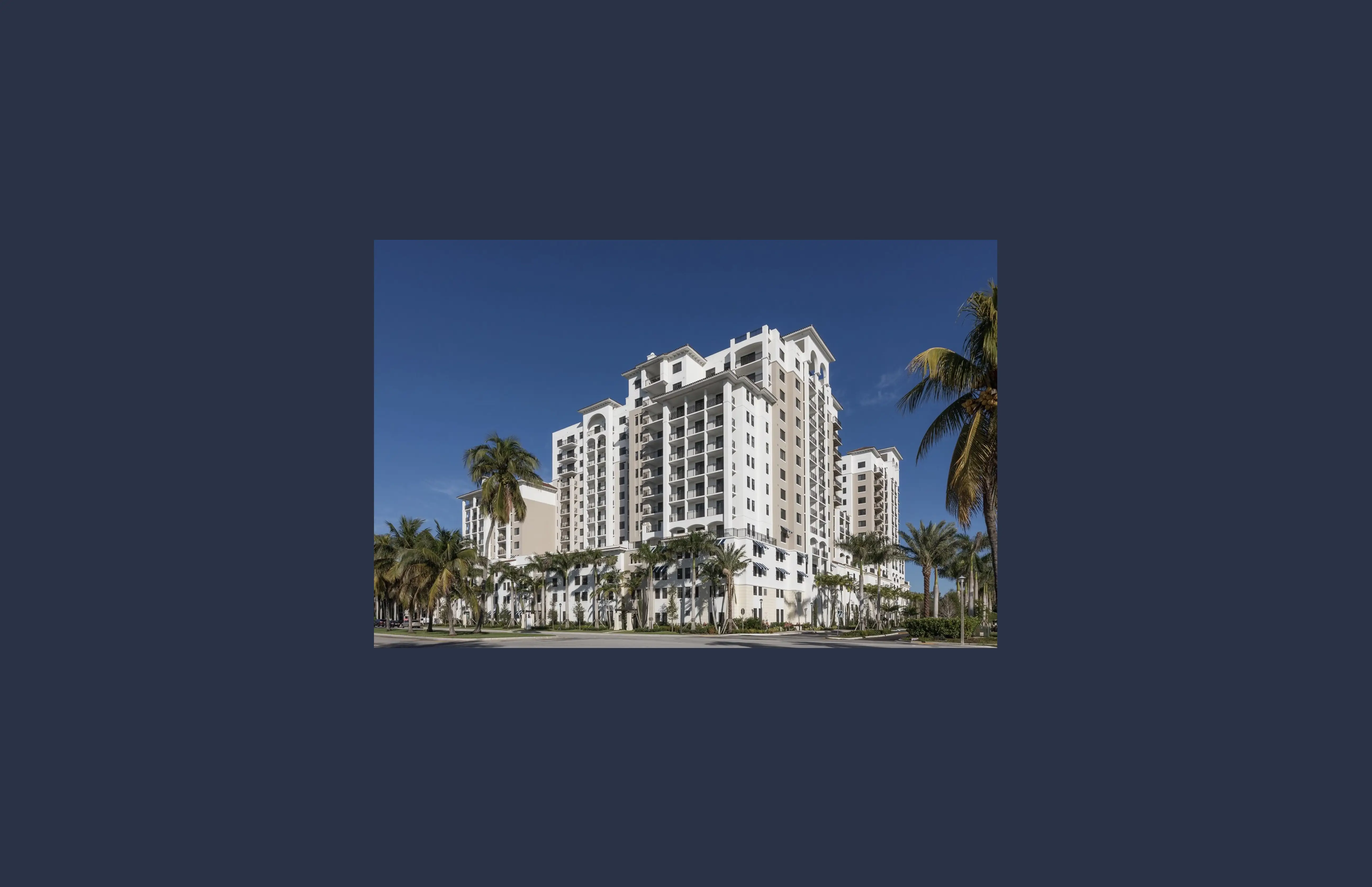
His flagship example stacks $100 million of bitcoin on a $235 million Boca Raton property. On the investors behind it:
"It's about 2000 investors in that deal. We're in it for 10 years."
Cardone added that the typical reaction from bitcoin maximalists is to ask "why would you dilute the bitcoin?" He conceded they may be right, but argued they are not the audience:
"It's the rest of the world, this is the audience," he said.
Bitcoin vs Real Estate Collateral: Why Liquidity Matters
Wankum described bitcoin and real estate as assets shaped by monetary debasement, but with different properties. Real estate is relatively scarce. Bitcoin is absolutely scarce. Property can produce cash flow. Bitcoin is highly liquid and easier to move or custody.
Wankum outlined four ways to combine bitcoin and real estate:
Rental income into bitcoin: Property cash flow funds recurring bitcoin purchases.
Mining heat: Mining rigs heat buildings, cutting energy costs.
Refinancing: Released capital buys bitcoin without selling the property.
Dual collateral: Bitcoin offsets occupancy risk, while property adds income.
"I can tell you the way that we operate our business, the access to capital in itself has a lot of value," Wankum said.
Wankum then turned to the lender's side. A lender holding bitcoin as collateral can sell it quickly, while recovering value from a seized property takes time. Bassili, whose firm works with Better on the mortgage product, gave the reason lenders accept it:
"Because it's pristine collateral. It's liquid," Bassili said.
Cardone put numbers on the gap. Even when a distressed property goes back to the bank, he said, unwinding it can take around 12 months. Bitcoin carries no such delay.
"But that liquid bitcoin, dude, it could be just tapped any moment, any time," he said.
Bitcoin as Bank Collateral: The Open Questions
The opportunity is there, but it is still early. Bitcoin backed loans carry risk, especially where lenders use price based liquidation rules. Bassili also warned about the challenge of holding bitcoin through volatility.
“That’s the hardest thing is holding onto it. Because it’s so easy to get blown up,” he said.
Traditional banks have not yet adopted bitcoin as standard collateral at scale. The FHFA directed Fannie Mae and Freddie Mac in 2025 to explore how crypto assets could be considered in mortgage risk assessments, but the market remains in its testing phase.
For now, Coinbase and Better offer a working example. Cardone and Wankum offer a broader thesis: property can provide the cash flow and familiarity, while bitcoin provides scarcity and liquidity.
Bitcoin may reach more people not through a white paper, but through familiar decisions about homes, income and access to capital.
FAQ
How can bitcoin be used to help buy a home without selling it?
Eligible Coinbase One members can pledge bitcoin as collateral for a separate down payment loan, while mortgage lender Better originates the first-lien mortgage under Fannie Mae guidelines. Bitcoin counts at a 40% advance rate, and the pledged bitcoin can only be liquidated after a 60-day payment delinquency, not because of a price drop.
What is Grant Cardone’s ‘Trojan horse’ strategy for introducing people to bitcoin?
Grant Cardone focuses his funds’ marketing on real estate, an asset people already understand, and only then adds a portion of bitcoin to lift cash flow while still paying investors monthly. By staying focused on the real estate, his funds brought roughly 3,000 people into bitcoin over 18 months without leading with bitcoin at all.
What are some ways bitcoin and real estate can be combined in an investment strategy?
Leon Wankum outlined four approaches: using rental income to fund recurring bitcoin purchases, using mining rigs to heat buildings and cut energy costs, refinancing property to release capital to buy bitcoin without selling the property, and using both bitcoin and property together as dual collateral where bitcoin offsets occupancy risk and the property provides income.
Why do some lenders view bitcoin as attractive collateral compared with real estate?
Bitcoin is described as highly liquid and ‘pristine’ collateral that can be sold quickly, while recovering value from a seized property can take around 12 months. This liquidity allows lenders to tap bitcoin at any moment, unlike real estate, which takes time to unwind even in distressed situations.
Disclaimer
The information provided in this article is for informational purposes only. It is not intended to be, nor should it be construed as, financial advice. We do not make any warranties regarding the completeness, reliability, or accuracy of this information. All investments involve risk, and past performance does not guarantee future results. We recommend consulting a financial advisor before making any investment decisions.
More like this


Written by

Andrew Kamsky
Andrew Kamsky is a Bitcoin analyst. He spent a decade in traditional finance across a Big Four firm and a listed fintech bank before going deep on Bitcoin full-time.